
Cactus Flower
1969
No user ratings available yet
Representation score: 1.4 out of 10
Representation Score
Limited
1967
NRDirector
Gene Saks
Runtime
106 minutes
Average Rating
No ratings yetNew Showbiz Analysis
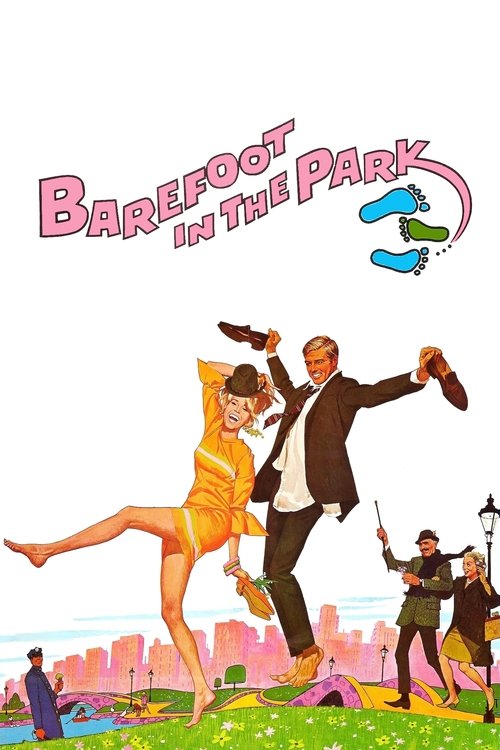
Barefoot in the Park serves as a transitional film for its time. Although it reflects the demographic uniformity of the 1960s, it manages to challenge traditional domestic hierarchies through its characters. One of the film's strengths is its depiction of female empowerment. Corie's disregard for conventional social norms subtly critiques the rigid expectations placed on nuclear families. However, the film falls short in terms of racial and LGBTQ+ representation. It primarily focuses on the social dynamics of white, middle-class individuals within a Western romantic comedy framework.
Category Breakdown
The film does not include any LGBTQ+ characters or explore non-straight identities. The main romantic relationship is between two heterosexual characters.
Corie is a dynamic and energetic character who demonstrates significant independence. Her defiance of traditional gender roles challenges the authority of the male figure, Paul, and the patriarchal structure he represents.
The cast and social settings are predominantly white and middle-class, reflecting the demographic uniformity of the 1960s and the Greenwich Village area.
The story highlights a conflict between professional success and a more relaxed lifestyle. It gently critiques the pressures of achieving upward mobility.
There are no visible or invisible disabilities portrayed in the film, nor are they central to the character development or plot.
Present on Screen
Limited or Absent
Official Synopsis
In this film based on a Neil Simon play, newlyweds Corie, a free spirit, and Paul Bratter, an uptight lawyer, share a sixth-floor apartment in Greenwich Village. Soon after their marriage, Corie tries to find a companion for mother, Ethel, who is now alone, and sets up Ethel with neighbor Victor. Inappropriate behavior on a double date causes conflict, and the young couple considers divorce.
1969
1937
1955
1942

1967
1949
1968
1962
No reviews yet. Be the first to share your thoughts on this movie!
Use the rating form above to leave a star rating and optional review.