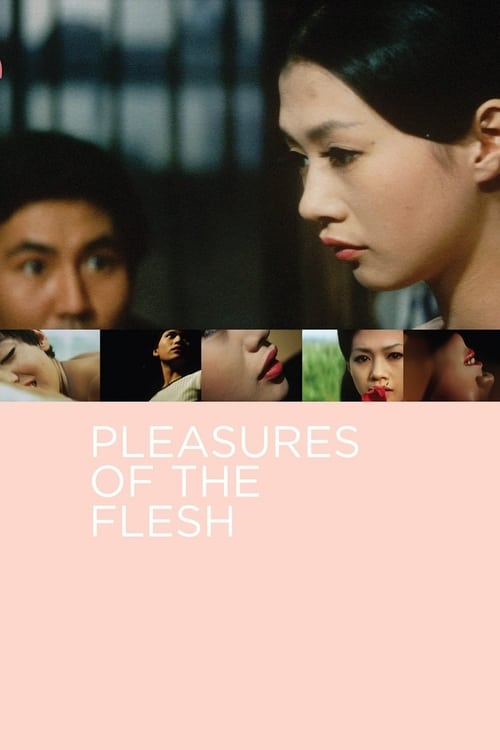
Pleasures of the Flesh
1965
No user ratings available yet
Representation score: 5.9 out of 10

Representation Score
Fair
1970
RDirector
Hal Prince
Runtime
112 minutes
Average Rating
No ratings yetNew Showbiz Analysis
Hal Prince’s film serves as a critique of social stratification in post-war Austria. It emphasizes dismantling class-based authority over demographic variety, using sexual politics to propel the protagonist's rise. The narrative achieves its impact through moral relativism and the subversion of traditional social orders. It replaces institutional stability with a focus on individual ability to act and situational ethics. While the film lacks significant racial or disability representation, it provides a nuanced exploration of how power is negotiated through intimacy and social maneuvering.
Category Breakdown
The film touches on transactional intimacy and sexual politics as ways to climb the social ladder. However, it does not provide explicit stories about LGBTQ+ characters.
The story breaks down traditional power structures by featuring a widowed countess as a key figure of authority. The protagonist uses her sexual power to navigate these established social systems.
Set in post-war Austria, the film seems to mirror the homogeneous demographics of its time. The narrative focuses more on socio-economic differences rather than ethnic diversity.
The film criticizes strict class hierarchies and the reverence for aristocratic families. It promotes individual opportunism over traditional institutional loyalty and duty.
There are no characters with physical or neurodivergent disabilities in the narrative.
Present on Screen
Limited or Absent
Official Synopsis
In post-war Austria, an opportunistic young man begins working as a footman to a widowed countess and uses his sexual talents to better his station in life.
1965
1963

1974
1975

1983

1967

1974

1972
No reviews yet. Be the first to share your thoughts on this movie!
Use the rating form above to leave a star rating and optional review.