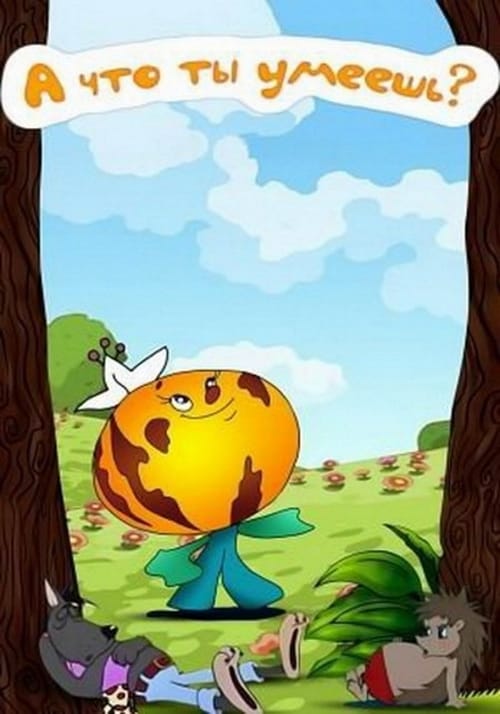
What Do You Know to Do?
1984
No user ratings available yet
Diversity score: 5.4 out of 10
1970
Director
Vladimir Pekar, Vladimir Popov
Runtime
10 minutes
Average Rating
No ratings yetSynopsis
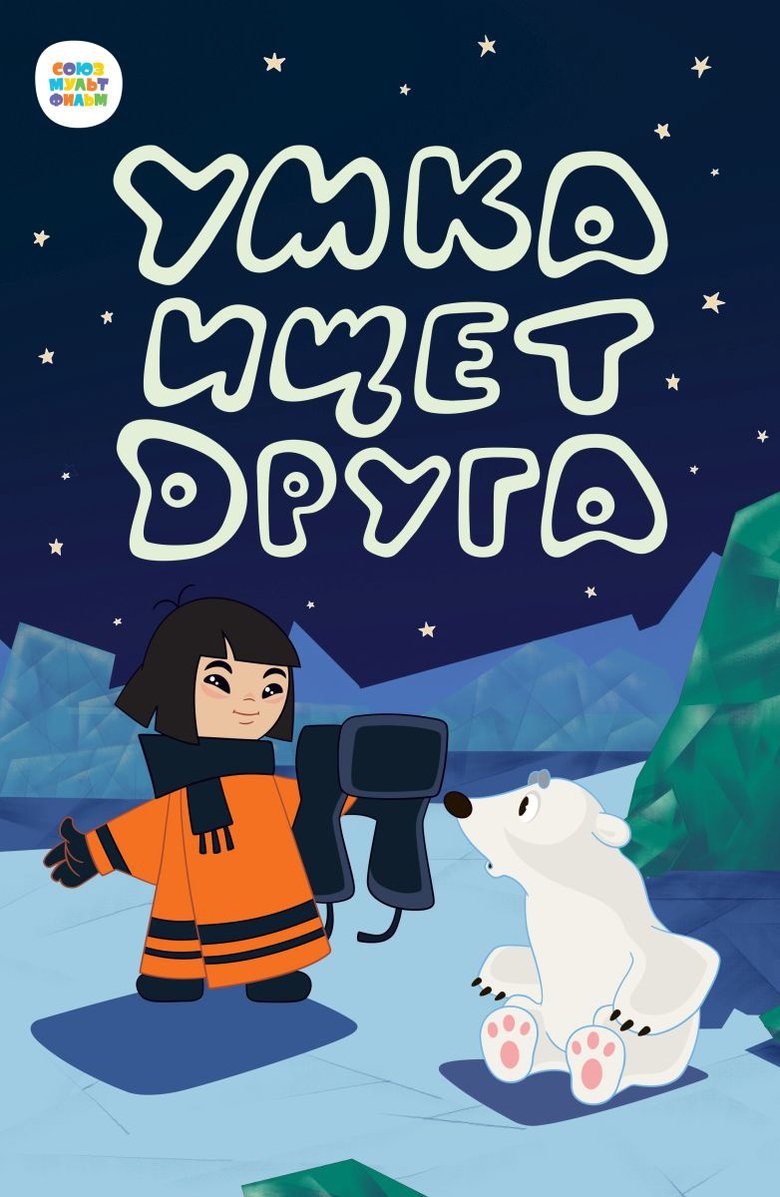
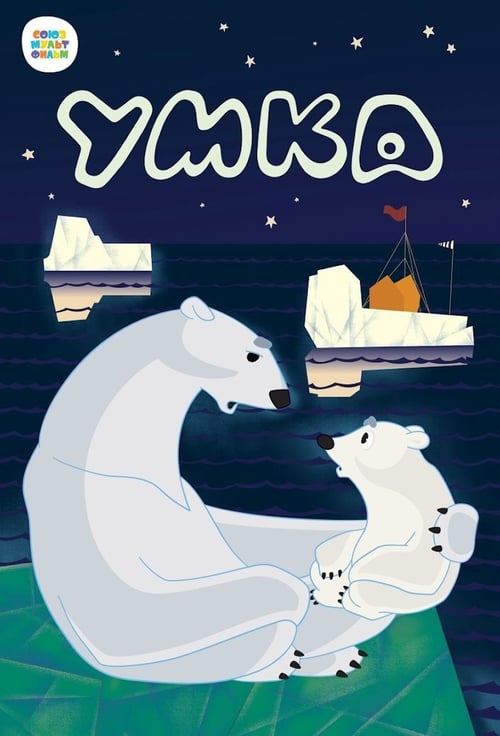
It is a continuation of adventures of the bear cub who searches for the friend and finds him on the Polar station during the New year.
Overall Score
Fair
Category Breakdown
LGBTQ+ Representation
The film focuses on a platonic search for companionship rather than queer identities. It avoids harmful stereotypes but lacks specific narrative architecture for non-heteronormative representation.
Gender Representation
Centered on a young bear cub, the narrative offers little evidence regarding gendered power dynamics. Roles appear neutralized or archetypal within the context of 1970s animation.
Racial & Ethnic Diversity
The Polar station setting suggests a diverse environment. Using anthropomorphic animals allows for a color-blind approach to character interaction that transcends specific ethnic identifiers.
Religious & Cultural Diversity
The story emphasizes communalism and social bonds over isolation. The setting implies a collective effort that prioritizes the successful formation of community connections.
Disability Representation
There is no evidence of characters with visible or invisible disabilities within the narrative.
Strengths
Areas for Improvement
AI Analysis
Umka Is Looking for a Friend is a character-driven exploration of social connection. By focusing on a cub's journey to find companionship at a Polar station, the film emphasizes the dismantling of isolation in favor of communal belonging. The use of anthropomorphic characters provides a unique way to approach diversity, bypassing traditional racial hierarchies through a semiotic lens. This allows the story to focus on universal themes of coexistence and social integration. While the film lacks specific representation regarding LGBTQ+ identities or disability, its core values align with progressive ideas of social cohesion and the importance of building community bonds.
1984
1984
2026
2001

1986
1985
1969

1955
1981
1970

1978
1949
No reviews yet. Be the first to share your thoughts on this movie!
Use the rating form above to leave a star rating and optional review.