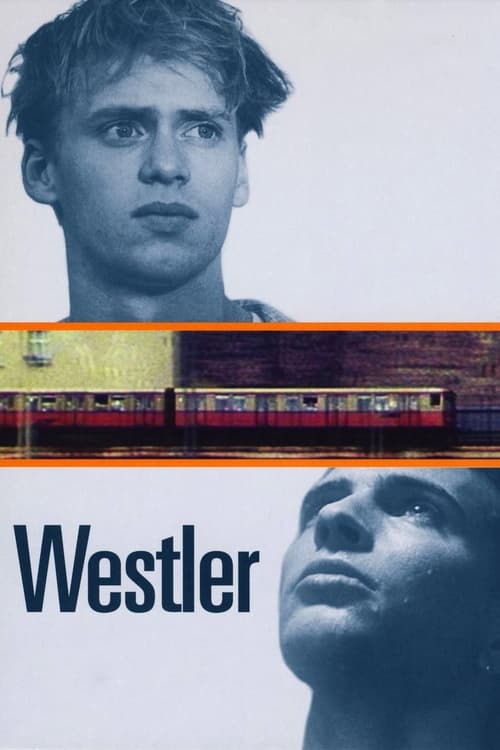
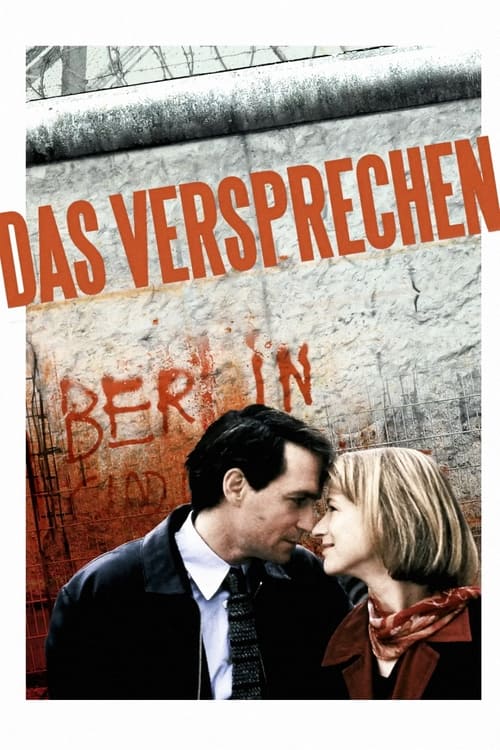
Westler: East of the Wall
1985
No user ratings available yet
Representation score: 5.0 out of 10
Representation Score
Fair
1995
RDirector
Margarethe von Trotta
Runtime
115 minutes
Average Rating
No ratings yetNew Showbiz Analysis
Margarethe von Trotta presents a nuanced study of individuals struggling against a monolithic political system. The film successfully dismantles state authority, depicting the Stasi as a major barrier to human dignity. Despite the lack of racial and LGBTQ+ diversity, the film excels in its cultural critique. It subverts traditional historical drama by focusing on the psychological impact of surveillance and the preservation of personal ideals. Ultimately, the film's strength lies in its emphasis on female independence and its examination of how political structures affect personal autonomy.
Category Breakdown
The film focuses on the heterosexual relationship between Konrad and Sophie. There are no queer narratives or non-cisgender identities represented in the story.
Sophie plays a significant role in the story, showcasing her intellectual resilience and independence against a patriarchal state. She is not just a love interest but a key figure.
The film reflects the demographic uniformity of 1961 East Berlin. It does not include diverse ethnic casting to challenge the social constraints of that time.
The story provides a sophisticated critique of the GDR and the Stasi as oppressive forces. It emphasizes the importance of personal privacy and truth over state-mandated patriotism.
There is no significant portrayal of physical or neurodivergent disabilities in this work.
Present on Screen
Limited or Absent
Official Synopsis
East-Berlin, 1961, shortly after the erection of the Wall. Konrad, Sophie and three of their friends plan a daring escape to Western Germany. The attempt is successful, except for Konrad, who remains behind. From then on, and for the next 28 years, Konrad and Sophie will attempt to meet again, in spite of the Iron Curtain. Konrad, who has become a reputed Astrophysicist, tries to take advantage of scientific congresses outside Eastern Germany to arrange encounters with Sophie. But in a country where the political police, the Stasi, monitors the moves of all suspicious people (such as Konrad's sister Barbara and her husband Harald), preserving one's privacy, ideals and self-respect becomes an exhausting fight, even as the Eastern block begins its long process of disintegration.
1985
1977
2001

2014
1964
1988
2019
2019
No reviews yet. Be the first to share your thoughts on this movie!
Use the rating form above to leave a star rating and optional review.