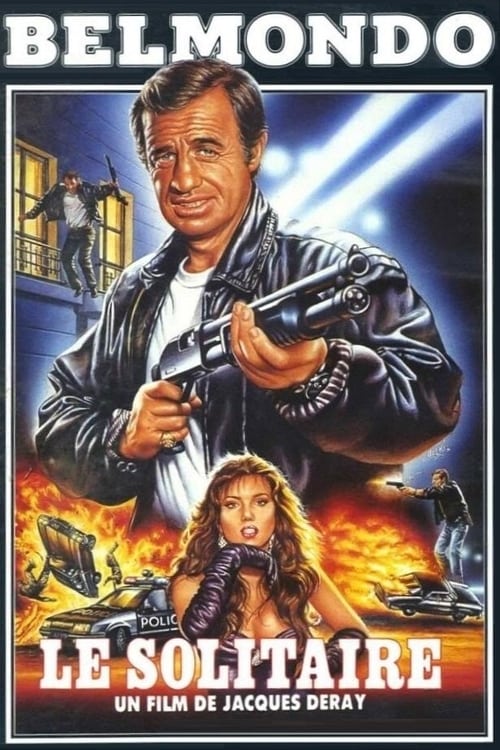
The Loner
1987
No user ratings available yet
Representation score: 0.7 out of 10
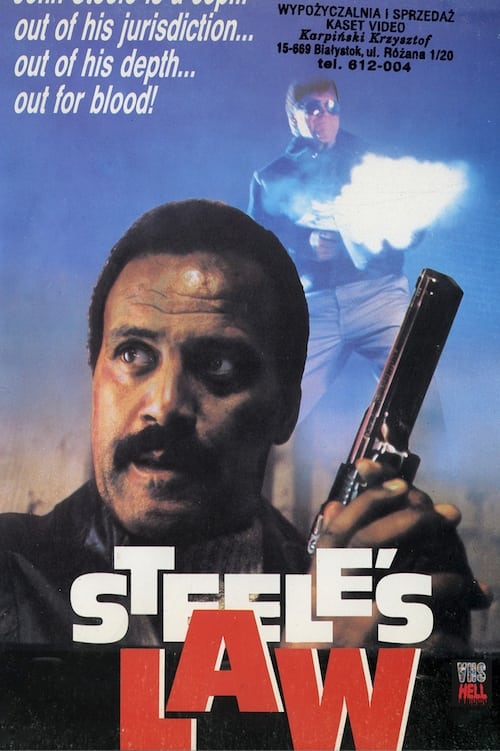
Representation Score
Limited
1991
RDirector
Fred Williamson
Runtime
90 minutes
Average Rating
No ratings yetNew Showbiz Analysis
Steele's Law functions as a genre-driven action film that uses the protagonist's outsider status to critique systemic biases. While it lacks diversity in gender and LGBTQ+ representation, it explores depth through its engagement with racial and institutional friction. The film's strength lies in its willingness to confront regional prejudice and the corruption of state institutions. However, its heavy reliance on traditional, male-centric action clichés limits its broader social inclusivity. Overall, the film offers moderate social commentary by navigating racial tensions and the clash between urban and regional identities.
Category Breakdown
The film focuses on traditional masculine action roles and does not include any LGBTQ+ characters or narratives about non-cisgender identities.
The story is driven primarily by male characters, including both the protagonist and the antagonist. The narrative follows conventional action clichés centered around masculinity.
The story addresses racial dynamics by placing the protagonist against regional prejudice. The inclusion of an Iraqi ambassador broadens the ethnic scope.
The film highlights the tension between urban and regional values. It criticizes institutional stability through the depiction of corrupt businessmen and ineffective local law enforcement.
There are no characters with visible or invisible disabilities in the film. The narrative does not include any neurodivergent representation.
Present on Screen
Limited or Absent
Official Synopsis
Steele, a plainclothes Chicago cop, is recruited by the FBI to foil an assassination plot in Dallas, Texas. It seems that Joe Keno, a former nemesis of Steele, is planning to assassinate the Iraqi ambassador to the U.S. Keno is funded by several prominent Texas businessmen. Steele travels to Dallas, where he makes friends with Barnes; Steele is contacted by a Dallas-based FBI agent who sets him up with his contact, "Peacekeeper." Joe Keno has abandoned previous ways and methods; the assassin is now also a serial killer. While Keno's victims are found in abandoned warehouses and parks, Steele encounters numerous obstacles. The Chicago cop encounters friendly Texas racists, is ambushed in a redneck saloon, and battles the incompetence and petty jealousy of Dallas police. Meanwhile Steele tries to stop Keno before the Iraqi ambassador becomes his next victim.
1987
1987
1990
1986
1989
1996
1990

1973
No reviews yet. Be the first to share your thoughts on this movie!
Use the rating form above to leave a star rating and optional review.