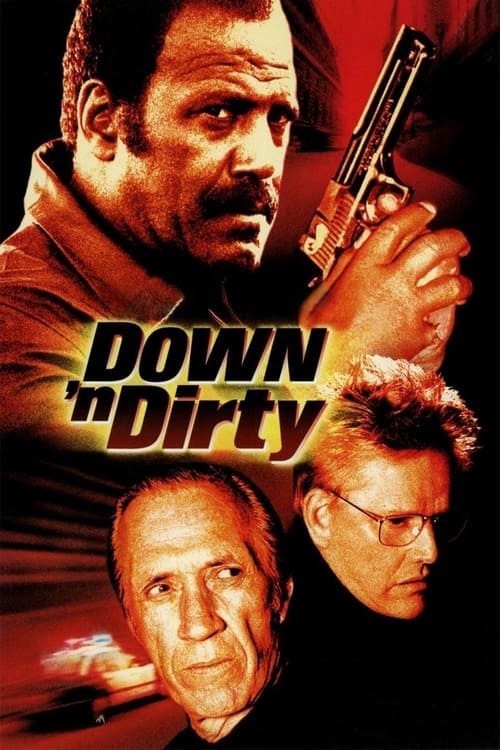
Down 'n Dirty
2001
No user ratings available yet
Representation score: 3.8 out of 10
Representation Score
Fair
1989
RDirector
Fred Williamson
Runtime
80 minutes
Average Rating
No ratings yetNew Showbiz Analysis
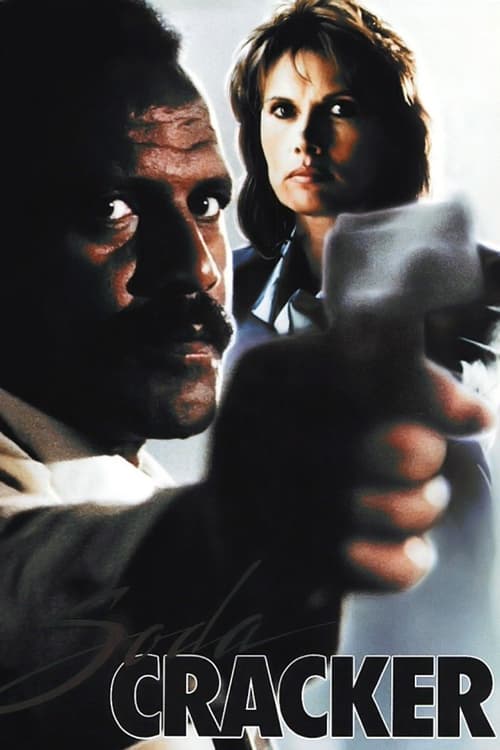
Soda Cracker stands out for its progressive casting, featuring a Black protagonist in a genre traditionally centered around white characters. This choice helps to challenge racial hierarchies in 1980s action cinema. However, the film's narrative remains tied to conventional storytelling methods. Romantic elements rely on traditional gender clichés, and the vigilante storyline adheres to familiar patterns without delving into deeper social dynamics. Overall, while Soda Cracker makes progress in racial representation, it falls short in addressing gender subversion and LGBTQ+ inclusion, reflecting a mix of positive casting choices and structural conservatism.
Category Breakdown
The film does not include any LGBTQ+ characters or narratives. The main romantic relationship follows a traditional structure between the protagonist and his female partner.
A female police officer plays a supporting role in the investigation, but her professional contributions are overshadowed by her romantic involvement with the lead character.
The film features a Black protagonist in a high-stakes police procedural, challenging historical genre stereotypes by highlighting systemic issues faced by Black individuals.
The story examines institutional corruption within law enforcement and criminal networks. However, the protagonist's quest for justice relies on traditional vigilante clichés rather than more nuanced cultural perspectives.
The film does not address any characters dealing with physical or neurodivergent disabilities.
Present on Screen
Limited or Absent
Official Synopsis
Williamson plays a cop called 'Soda Cracker', whose partner was killed in a mysterious assassination. He is convinced that the murder was committed by his old enemy, Ivan Moss, played by Bo Svenson. Despite threats from the mob and from the police department, he vows to continue his mission to find the persons responsible for the assassination. Maud Adams plays his new police woman partner, who falls in love with him during their investigations. 'Soda Cracker' also has to deal with the fact that many of the police officers on the squad may be corrupt, and tries to break down the criminal network whilst finding evidence against Ivan Moss.
2001
1981
1993
1990
1987
1986
1994
1973
No reviews yet. Be the first to share your thoughts on this movie!
Use the rating form above to leave a star rating and optional review.