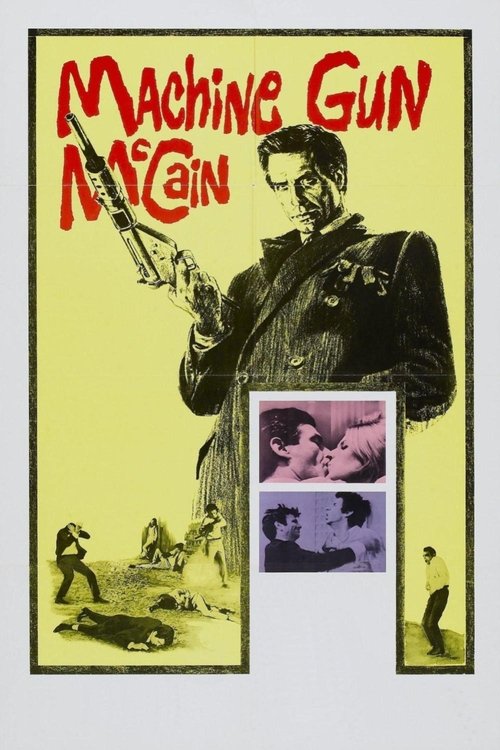
Machine Gun McCain
1969
No user ratings available yet
Diversity score: 4.7 out of 10

1976
RDirector
Fred Williamson
Runtime
78 minutes
Average Rating
No ratings yetSynopsis
Fearful that their star witness might be murdered, two attorneys hire a protector to bring him from Los Angeles to New York. Jesse Crowder (Fred Williamson) is a no-nonsense tough guy. He buddies up with the witness, an accountant, and they hit the road. Outwitting their foes means taking all manner of conveyance, including automobile, train, and airplane.
Overall Score
Fair
Category Breakdown
LGBTQ+ Representation
The film lacks any evidence of LGBTQ+ characters or narratives. The story focuses on a traditional protector and witness dynamic.
Gender Representation
The narrative centers on a male-dominated dynamic between a tough guy and an accountant. There is no indication of female characters or the subversion of gendered hierarchies.
Racial & Ethnic Diversity
The film disrupts 1970s cinematic norms by centering a Black protagonist in a high-stakes action role. Jesse Crowder is positioned as a primary agent of authority and physical competence.
Religious & Cultural Diversity
The journey through various American landscapes suggests a narrative exploring law, justice, and survival. It touches on the friction between individual agency and institutional corruption.
Disability Representation
There is no documented evidence regarding the portrayal of physical or neurodivergent disabilities within the film.
Strengths
Areas for Improvement
AI Analysis
Death Journey serves as a significant vehicle for racial agency in 1970s action cinema. By placing a Black man in a position of central authority and physical competence, the film challenges the era's standard racial hierarchies. However, the film lacks intersectional breadth. The narrative architecture is heavily centered on traditional masculine archetypes, leaving little room for gender diversity or LGBTQ+ representation. Ultimately, the film's impact is found in its ability to present Black masculinity as a proactive force within the crime drama framework, even while remaining narrow in other demographic areas.
1969

1990
1973
1980
1976

2002
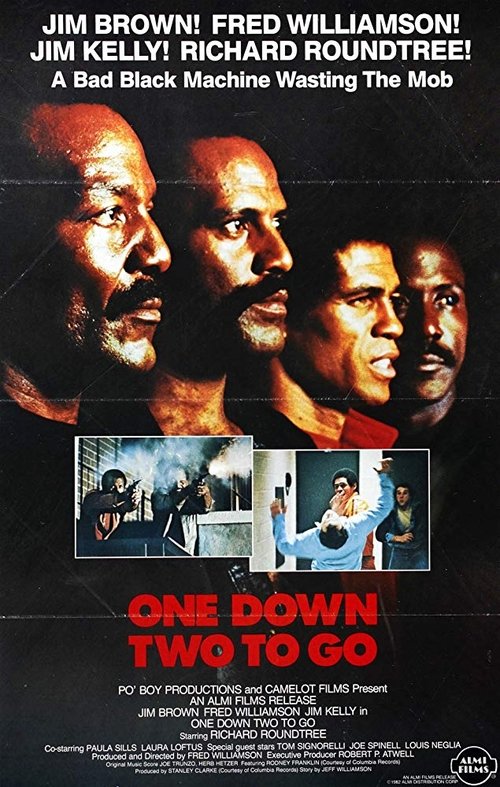
1982
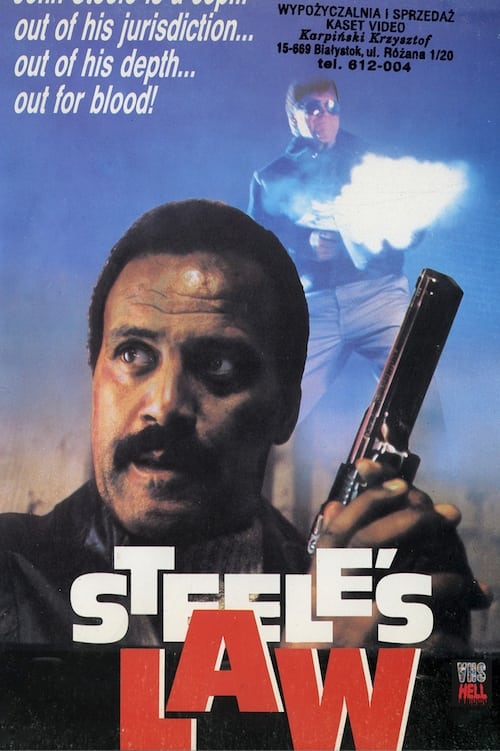
1991
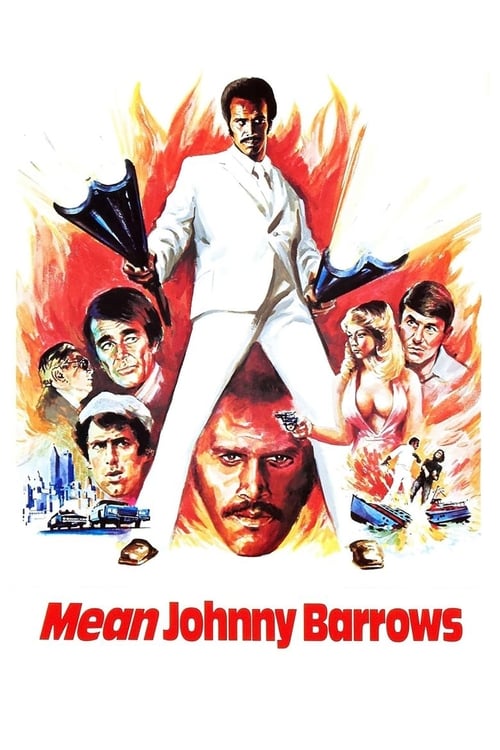
1975
No reviews yet. Be the first to share your thoughts on this movie!
Use the rating form above to leave a star rating and optional review.