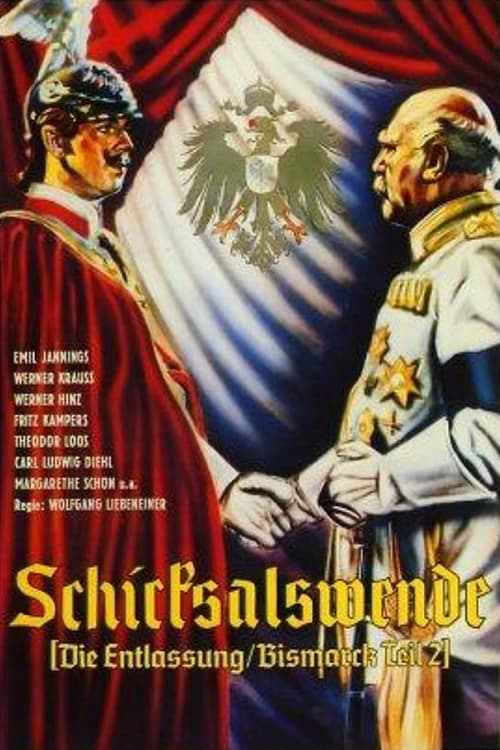
The Dismissal
1942
No user ratings available yet
Representation score: 0.1 out of 10

Representation Score
Minimal
1940
Director
Wolfgang Liebeneiner
Runtime
114 minutes
Average Rating
No ratings yetNew Showbiz Analysis
Bismarck (1940) functions as a tool for national cohesion, prioritizing the consolidation of state authority over individualistic or multi-layered exploration. The film's architecture is designed to reinforce centralized power and historical inevitability through a nationalist lens. The narrative actively rejects the complexities of identity by presenting a highly curated, homogeneous vision of history. It celebrates the 'Iron and Blood' doctrine, positioning leadership and stability as exclusively masculine and ethnic-nationalist traits. Ultimately, the work serves to validate traditional hierarchies, maintaining a rigid social landscape that offers no space for underrepresented or non-conforming identities.
Category Breakdown
The film operates within a strictly straight-centered framework, with no representation of LGBTQ+ identities or narratives that challenge traditional social roles.
The narrative reinforces 19th-century gender hierarchies, with female characters relegated to the domestic sphere and the celebration of masculine authority through the 'Iron and Blood' archetype.
The cast is highly homogeneous, focusing on the Prussian aristocracy and lacking any meaningful depiction of racial or ethnic plurality.
The film promotes a singular, nationalist morality centered on state centralization, glorifying militarism and rejecting moral relativism in favor of absolute state authority.
There is no discernible representation of physical or neurodivergent identities, with characters portrayed through a lens of idealized strength and political vigor.
Present on Screen
Limited or Absent
Official Synopsis
A biographical film of Otto von Bismarck, the Prime Minister of Prussia, and how he and his policies - including aggressive war - helped to unite Germany.
1942

1951
1940

1927

1918

1944

1944

1944
No reviews yet. Be the first to share your thoughts on this movie!
Use the rating form above to leave a star rating and optional review.