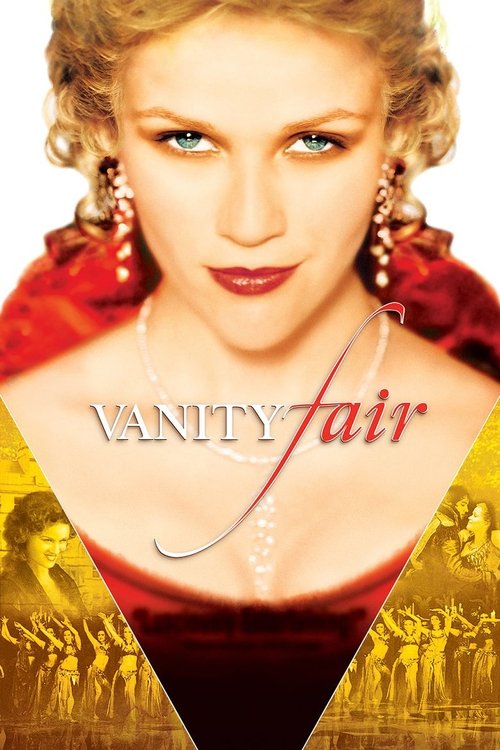
Vanity Fair
2004
No user ratings available yet
Representation score: 4.5 out of 10
Representation Score
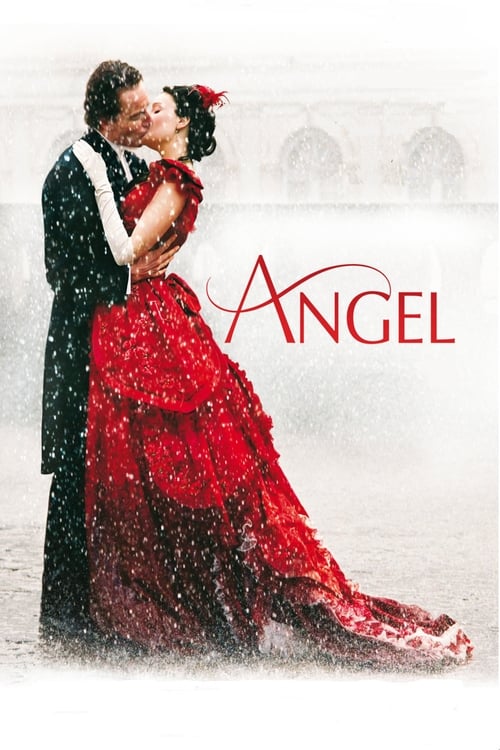
Fair
2007
Not RatedDirector
François Ozon
Runtime
134 minutes
Average Rating
No ratings yetNew Showbiz Analysis
François Ozon’s *Angel* is a sophisticated deconstruction of romantic longing and class mobility. It excels by subverting traditional gender roles and placing female desire at the absolute center of the story. The film moves away from traditional realism to prioritize psychological truth through its protagonists. However, the film is limited by its narrow focus on a homogeneous social group. The Edwardian setting lacks significant racial or ethnic diversity, focusing instead on class disparity and individual psychological arcs. Ultimately, the film is a postmodern exploration of identity. It succeeds in disrupting gender hierarchies and social norms, even if it remains within a relatively narrow demographic scope.
Category Breakdown
The film delves deeply into queer themes by emphasizing female subjectivity. It highlights intense homoerotic tensions and emotional intimacy between women, effectively challenging the traditional male gaze.
Women's ability to drive the story and their desires play a central role. The protagonists navigate their obsessions with predatory autonomy, often rendering male figures as mere objects of obsession rather than authority figures.
The Edwardian setting focuses on a largely homogeneous social stratum. There is little evidence of diverse racial backgrounds or non-Anglo-Saxon casting to disrupt the period setting.
The story challenges rigid class structures and traditional morality through moral relativism. It portrays social climbing and the pursuit of wealth as a critique of high-society values.
The film explores intense psychological states and obsessive behaviors. However, no characters utilize visible or invisible disabilities as central identity markers or plot devices.
Present on Screen
Limited or Absent
Official Synopsis
Edwardian England. A precocious girl from a poor background with aspirations to being a novelist finds herself swept to fame and fortune when her tasteless romances hit the best seller lists. Her life changes in unexpected ways when she encounters an aristocratic brother and sister, both of whom have cultural ambitions, and both of whom fall in love with her.
2004

1996

1999
1995
2007
1998
2009
1996
No reviews yet. Be the first to share your thoughts on this movie!
Use the rating form above to leave a star rating and optional review.