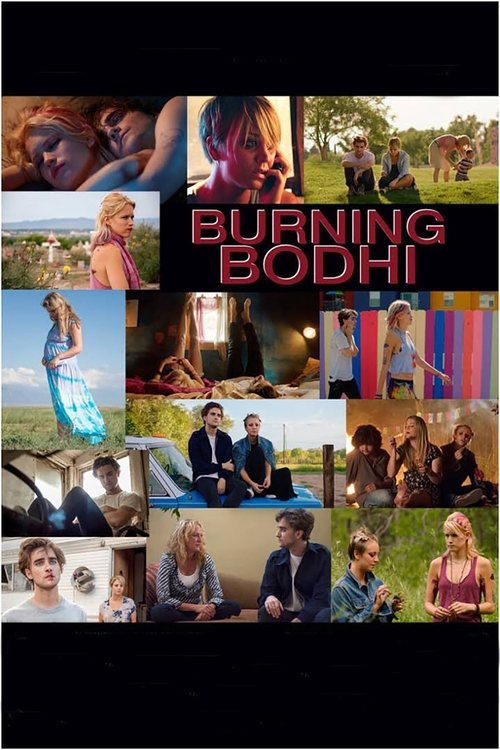
Burning Bodhi
2016
No user ratings available yet
Diversity score: 7.2 out of 10

1980
RDirector
John Sayles
Runtime
104 minutes
Average Rating
No ratings yetSynopsis
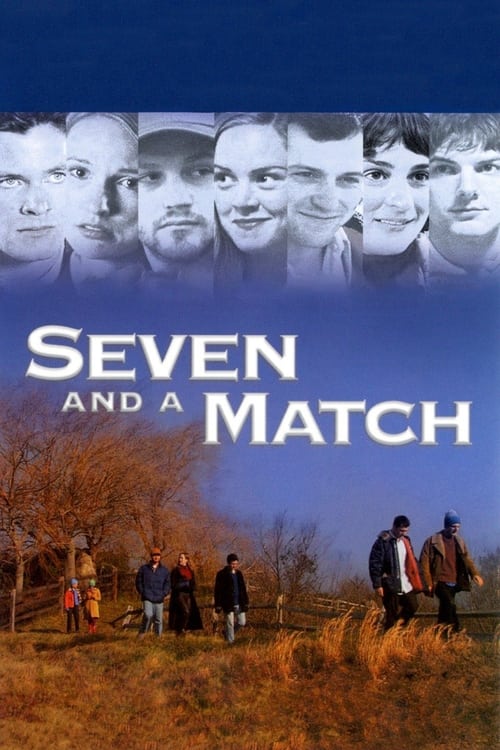
Seven former college friends, along with a few new friends, gather for a weekend reunion at a summer house in New Hampshire to reminisce about the good old days, when they got arrested on the way to a protest in Washington, D.C.
Overall Score
Good
Category Breakdown
LGBTQ+ Representation
The film integrates non-cisnormative identities and same-sex attractions naturally into its bohemian social fabric. These relationships serve to critique the traditional nuclear family model in favor of chosen communal structures.
Gender Representation
Female characters possess significant agency and intellectual autonomy, successfully navigating the Bechdel test. The narrative subverts patriarchal hierarchies by portraying fluid social roles within a communal living arrangement.
Racial & Ethnic Diversity
The ensemble is predominantly white, reflecting the specific socioeconomic milieu of the depicted subculture. While lacking racial intersectionality, the film avoids harmful stereotypes in its casting.
Religious & Cultural Diversity
The story offers a sophisticated critique of capitalist pressures and traditional Western milestones. It frames the rejection of mainstream societal expectations as an authentic, anti-materialist lived experience.
Disability Representation
There are no prominent depictions of physical or neurodivergent disabilities. The characters' primary struggles are socioeconomic and existential in nature.
Strengths
Areas for Improvement
AI Analysis
John Sayles delivers a character-driven drama that deconstructs traditional social and economic hierarchies. The film excels at portraying non-traditional gender roles and queer-adjacent social structures, presenting them as natural components of a communal lifestyle rather than mere spectacle. However, the film is limited by its narrow demographic focus. The ensemble's lack of racial diversity reflects the specific post-counterculture urban subculture being depicted, which results in a lack of intersectional representation. Ultimately, the work succeeds as a critique of mainstream institutions. It prioritizes a postmodern, communal lens that challenges the hegemony of the nuclear family and capitalist-driven societal norms.
2016
2009
2008

2017
2001

2024
1985
1969

2018
2006
2011
2019
No reviews yet. Be the first to share your thoughts on this movie!
Use the rating form above to leave a star rating and optional review.