
The Babylon Syndrome
2004
No user ratings available yet
Diversity score: 4.6 out of 10
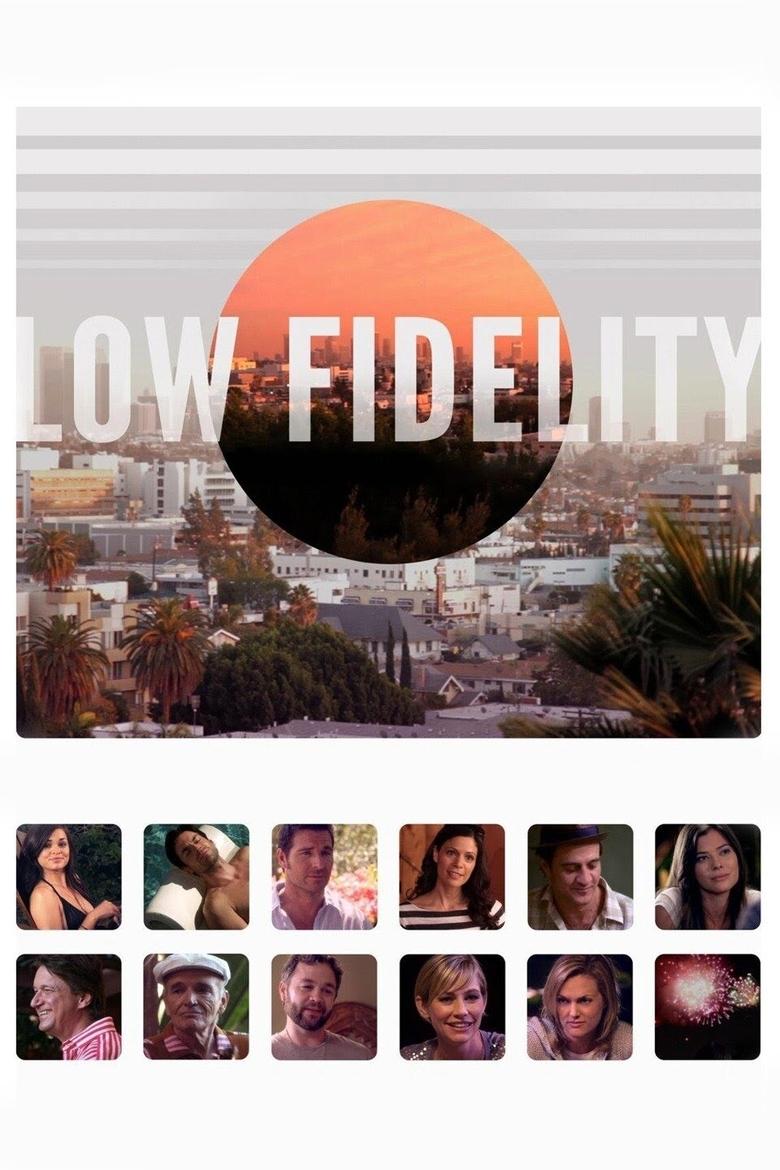
2011
NRDirector
Devon Gummersall
Runtime
99 minutes
Average Rating
No ratings yetSynopsis
A dramedy about relationships and fidelity, or the lack thereof. A group of old high school friends, now in their late thirties, get together for the weekend to celebrate the 4th of July, for better or for worse.
Overall Score
Fair
Category Breakdown
LGBTQ+ Representation
The film lacks explicit confirmation of queer identities or narratives. While Gale Harold's casting may hint at potential for nuanced representation, his character's specific orientation remains unverified.
Gender Representation
The narrative explores the instability of domestic roles and relationships. It appears to challenge the traditional nuclear family structure, though it is unclear how much it subverts gender hierarchies.
Racial & Ethnic Diversity
The cast suggests a demographic distribution common to mid-range independent dramas of this era. There is no evidence of significant non-white representation or race-bent casting.
Religious & Cultural Diversity
The story focuses on moral relativism and the deconstruction of Western institutions like marriage. It frames long-term bonds through situational ethics rather than traditional moral absolutes.
Disability Representation
There is no documented evidence regarding the inclusion of characters with visible or invisible disabilities.
Strengths
Areas for Improvement
AI Analysis
Low Fidelity functions primarily as a character study centered on interpersonal instability and the breakdown of long-term commitments. While it avoids traditional social structures like the stable nuclear family, it does so through psychological drama rather than systemic demographic representation. The film lacks intersectional complexity, focusing instead on the moral ambiguity of infidelity. This thematic choice provides a moderate disruption of social norms but fails to provide high-agency arcs for marginalized groups. Ultimately, the production reflects the conventional casting and demographic patterns typical of its genre and era, prioritizing relationship dynamics over diverse social perspectives.
2004

2018

2024

2012

2001

2007

2011

2022

2006

2001

1959

2012
No reviews yet. Be the first to share your thoughts on this movie!
Use the rating form above to leave a star rating and optional review.