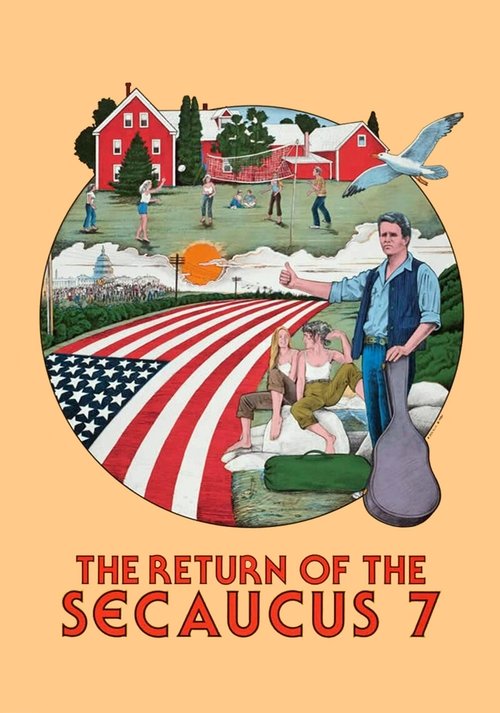
Return of the Secaucus Seven
1980
No user ratings available yet
Representation score: 5.8 out of 10
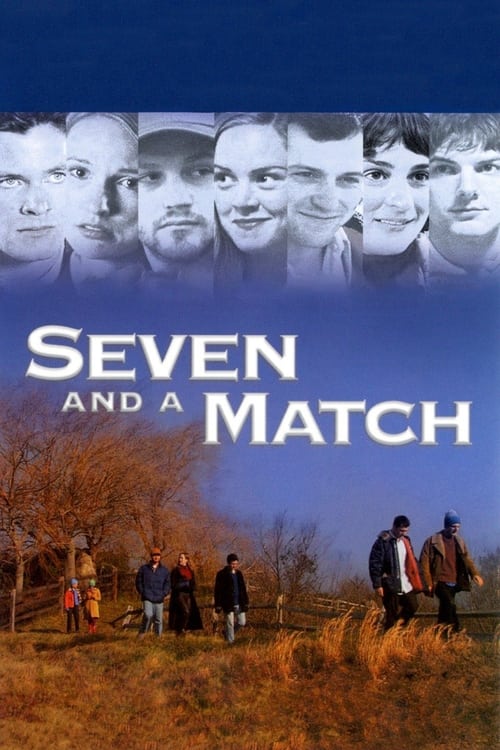
Representation Score
Fair
2001
RDirector
Derek Simonds
Runtime
101 minutes
Average Rating
No ratings yetNew Showbiz Analysis
Seven and a Match is a character-driven drama that emphasizes psychological exploration over demographic diversity. While it lacks clear representation of LGBTQ+ or disability issues, it excels in challenging social norms. The protagonist, Ellie, stands out as a non-traditional female lead who exercises a significant role in driving the story. However, the film's racial and ethnic diversity is limited, reflecting the more homogeneous casting trends of the early 2000s. It prioritizes a specific, rebellious narrative over broader demographic inclusivity.
Category Breakdown
The film doesn't provide clear information about the sexual orientation or gender identity of the seven main characters. The story focuses on conflicts among friends during a college reunion.
Ellie is a strong female lead who breaks away from passive stereotypes. She initiates a plot involving insurance fraud and demonstrates leadership and unconventional ability to act.
The cast follows a typical demographic distribution seen in early 2000s independent dramas. There is no indication of a non-white or non-Anglo-Saxon majority.
The story questions the sanctity of the nuclear family and inherited property. It uses systemic transgressions to challenge traditional Western institutions and capitalist stability.
There is no mention of characters with physical or neurodivergent disabilities.
Present on Screen
Limited or Absent
Official Synopsis
Seven college friends re-unite in the house where they used to spend summers. Some things have changed, some have stayed the same.
1980

1988
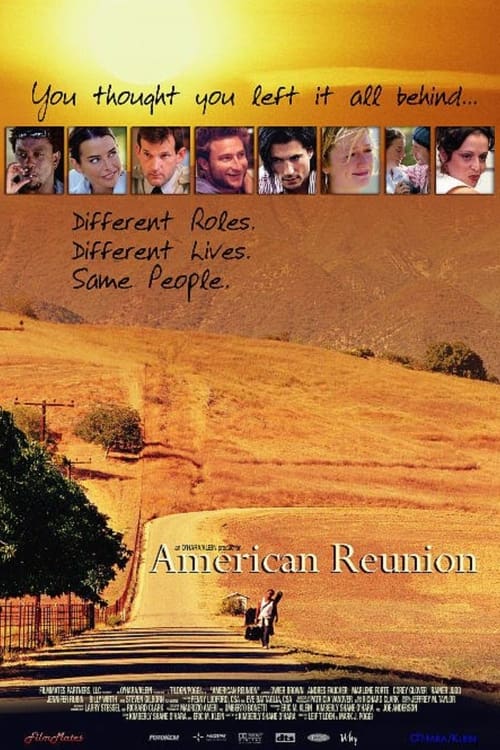
2001

2011

2024

1992

2001

2012
No reviews yet. Be the first to share your thoughts on this movie!
Use the rating form above to leave a star rating and optional review.