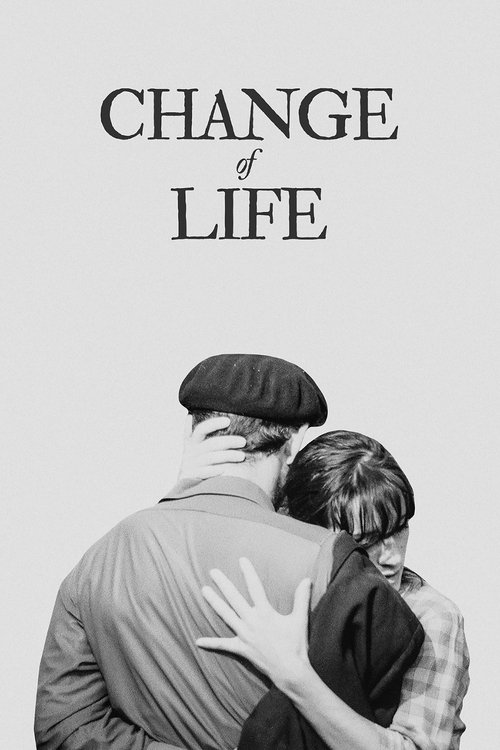
Change of Life
1967
No user ratings available yet
Representation score: 5.8 out of 10
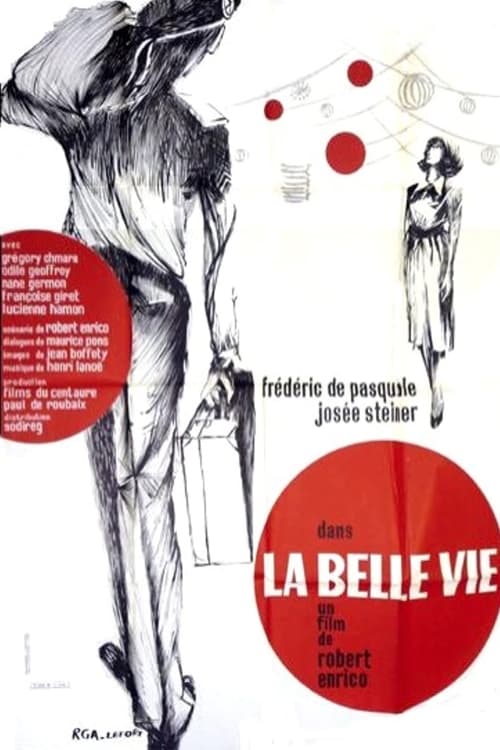
Representation Score
Limited
1964
Director
Robert Enrico
Runtime
105 minutes
Average Rating
No ratings yetNew Showbiz Analysis
The film centers on the protagonist's disillusionment rather than showcasing diverse identities. It lacks explicit LGBTQ+ or disability representation, focusing instead on the protagonist's struggle with post-war realities. Its strength lies in its subversion of the 'heroic' archetype, presenting a flawed and unheroic main character. The film engages with post-colonial themes through the lens of the Algerian War's aftermath, providing a geopolitical layer that prevents the story from being purely Eurocentric.
Category Breakdown
The film adheres to traditional 1960s romantic ideals, focusing on heterosexual relationships and the protagonist's marriage and infidelity.
Female characters play supporting roles, often lacking independent influence and serving mainly as catalysts for the male protagonist's psychological journey. However, the film avoids idealizing traditional femininity by showing the tensions and bitterness of domestic life.
The story is influenced by the aftermath of the Algerian War, introducing geopolitical tensions and complexities despite the predominantly Western cast.
The film critiques the stability of socioeconomic conditions and the invasive nature of state institutions. It portrays the Army as a disruptive force that undermines personal freedom and individual liberation.
There are no visible or invisible disabilities portrayed as central to the narrative arc.
Present on Screen
Limited or Absent
Official Synopsis
After twenty-seven long months spent in Algeria, Frédéric Simon, a young photographer is determined to forget this time of trouble. Now that the Army has finally discharged him he wants to live the good life. And at first, things go according to his wishes: not only does he marry Sylvie but they are invited by a wealthy man to Monte Carlo, where they spend a dream honeymoon. But back in Paris, hard times await them. Not finding work easily along with having to live in a cramped apartment make Frédéric bitter and unpleasant. When Sylvie becomes pregnant, he slams the door and finds consolation in the arms of Christine, an ex girlfriend, which he soon regrets. At last, the situation improves. Frédéric finds work and starts making money as a fashion photographer. But the good life cannot go on: one morning a policeman knocks at the young couple's door: the country wants Frédéric back in the Army.
1967

1950

1964

1957
1957

1963
1969

1946
No reviews yet. Be the first to share your thoughts on this movie!
Use the rating form above to leave a star rating and optional review.