
Luzia Homem
1988
No user ratings available yet
Representation score: 5.2 out of 10
Representation Score
Fair
1985
Director
Zelito Viana
Runtime
110 minutes
Average Rating
No ratings yetNew Showbiz Analysis
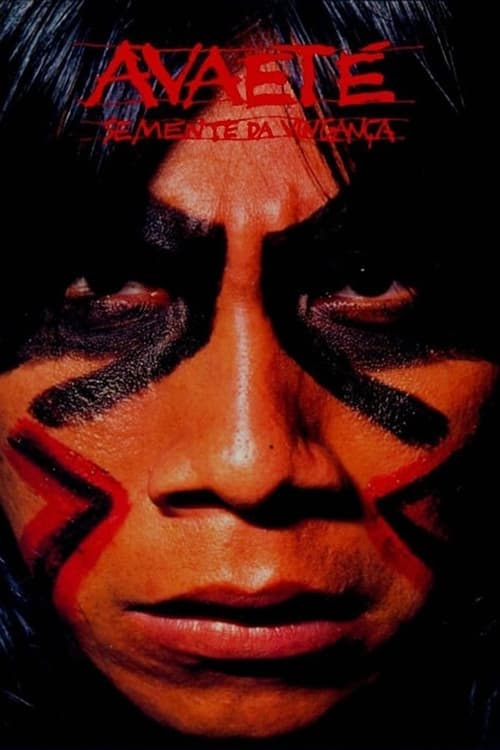
Avaeté, Seed of Revenge stands out for its commitment to indigenous ability to act. By centering an indigenous protagonist, the film shifts the perspective away from traditional Eurocentric colonial narratives to focus on historical trauma and survival. The film's strength lies in its racial and cultural positioning. It uses a true story to critique systemic violence and the impact of external forces on indigenous communities, providing a meaningful disruption of standard cinematic hierarchies. However, the film lacks representation in other areas. There is no evidence of LGBTQ+ themes or disability representation, leaving those dimensions of diversity unaddressed.
Category Breakdown
The film does not include any LGBTQ+ characters or narratives. It assumes that all characters are heterosexual and cisgender.
The story focuses on a male protagonist's journey of vengeance and identity. It potentially challenges traditional masculine stereotypes by highlighting a child's vulnerability and survival trauma.
The narrative centers an indigenous protagonist and highlights the impact of tribal massacres. It disrupts settler narratives by focusing on the indigenous experience.
The film explores anti-colonial themes and the destruction of indigenous social structures. It prioritizes a non-Western moral framework through a historical, true-story lens.
There is no information about characters with visible or invisible disabilities. This aspect of representation remains unaddressed in the narrative.
Present on Screen
Limited or Absent
Official Synopsis
Little Indian boy survives his tribe massacre, growing up together with his wish for revenge and his quest for his own identity. Based on a true story.
1988
1977

1976

2001
1996

1998
1972
1975
No reviews yet. Be the first to share your thoughts on this movie!
Use the rating form above to leave a star rating and optional review.