Witnesses
2021
No user ratings available yet
Representation score: 0.5 out of 10
Representation Score
Fair
1917
Director
Robert Z. Leonard
Runtime
68 minutes
Average Rating
No ratings yetNew Showbiz Analysis
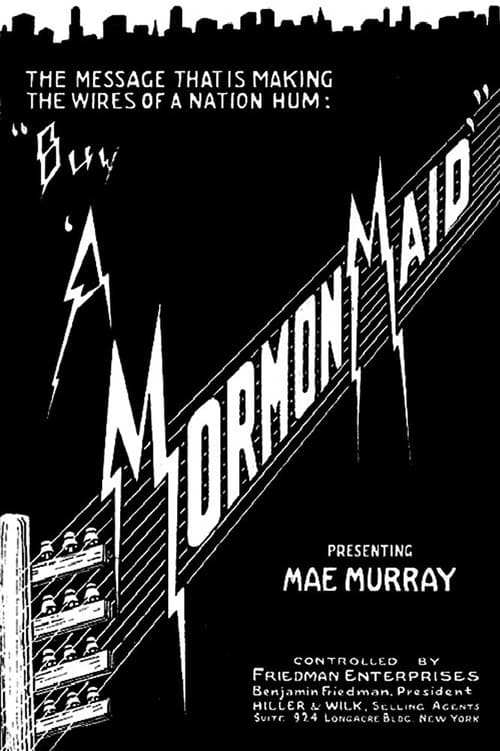
A Mormon Maid serves as a critical examination of Mormon society. It uses the melodrama of the 1840s westward migration to question the morality of Mormonism, particularly focusing on polygamy. The film highlights the importance of women's ability to drive the story and challenges traditional religious institutions. However, it remains constrained by the limited racial stereotypes of its time. Overall, the work explores the tension between individual morality and systemic oppression, though it lacks contemporary multi-layered complexity.
Category Breakdown
The film does not include any LGBTQ+ characters or narratives. Social interactions focus solely on heterosexual relationships and conflicts within them.
The narrative emphasizes the emotional and moral leadership of female characters. Dora and her mother play key roles in making decisions against patriarchal control.
Indigenous characters serve as catalysts for an initial attack. They are portrayed as external threats rather than as nuanced individuals with their own choices.
The film questions religious institutions by depicting polygamy as a source of corruption. It challenges the sanctity of traditional religious structures.
There is no representation of physical or mental disabilities in the film.
Present on Screen
Limited or Absent
Official Synopsis
This silent melodrama is set against the 1840s westward migration of the Mormons. Dora, a young woman, and her family are saved from an Indian attack by a Mormon community traveling to Utah. They join the wagon train. Dora is pursued by two men, one a recent convert, the other a scheming elder with a stable of wives. The Mormon elder wants her in his harem. When the mother kills herself from revulsion toward polygamy, the daughter must consider her own future and the man she loves. One of Mae Murray's few surviving films, this was intended by Robert Leonard to be a thoughtful drama about the goods and evils of Mormonism, but today it is generally considered pure anti-Mormon propaganda.
2021
1916
1918
1920
1918
2025

2022

1936
No reviews yet. Be the first to share your thoughts on this movie!
Use the rating form above to leave a star rating and optional review.