The Gates
2008
No user ratings available yet
Representation score: 4.8 out of 10
Representation Score
Fair
1987
Director
David Maysles, Albert Maysles, Charlotte Zwerin
Runtime
58 minutes
Average Rating
No ratings yetNew Showbiz Analysis
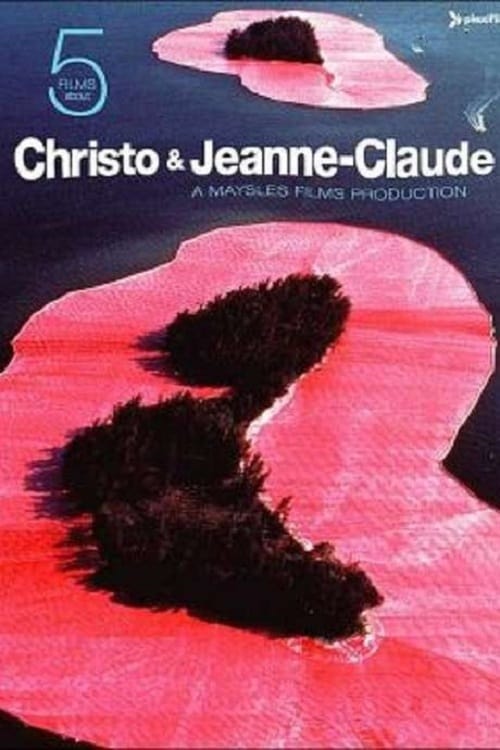
Islands is a study of the creative process and the interaction between art and the environment. The Maysles brothers use a fly-on-the-wall approach to document artists working on massive installations, such as covering Florida islands in pink plastic. The film's narrative is driven by the practicalities of creating large-scale art rather than a structured exploration of identity. It functions as a piece of humanistic realism that prioritizes unfiltered experiences over explicit social commentary. Since the film does not intentionally subvert demographic norms or employ diverse frameworks, it remains a typical example of observational cinema from its time.
Category Breakdown
The film does not include explicit LGBTQ+ characters or stories. It observes the subjects without focusing specifically on LGBTQ+ identities.
The documentary focuses on the creative and logistical processes of artists. It does not provide specific insights into gendered power dynamics or challenges to traditional hierarchies.
The narrative centers on specific locations in Paris, Berlin, and Florida. Representation aligns with the demographic compositions of these places during the late 20th century.
The film explores the relationship between art and environment through large-scale installations. It offers a subtle critique of functionalist views of land without explicitly challenging institutional norms.
There is no information available regarding the depiction of individuals with physical or neurodivergent disabilities.
Present on Screen
Limited or Absent
Official Synopsis
The Maysles' third film about the artists sees them trying to get three projects off the ground: wrapping the Pont Neuf, the oldest bridge in Paris; wrapping the Reichstag; and surrounding eleven man-made islands in Florida with pink plastic sheets. As the latter is the only one that gets approval, it gets the bulk of this film.
2008
2003
1977
1978
1974

2014

2001

2017
No reviews yet. Be the first to share your thoughts on this movie!
Use the rating form above to leave a star rating and optional review.