The Gates
2008
No user ratings available yet
Representation score: 4.8 out of 10
Representation Score
Limited
1977
Director
Charlotte Zwerin, David Maysles, Albert Maysles
Runtime
58 minutes
Average Rating
No ratings yetNew Showbiz Analysis
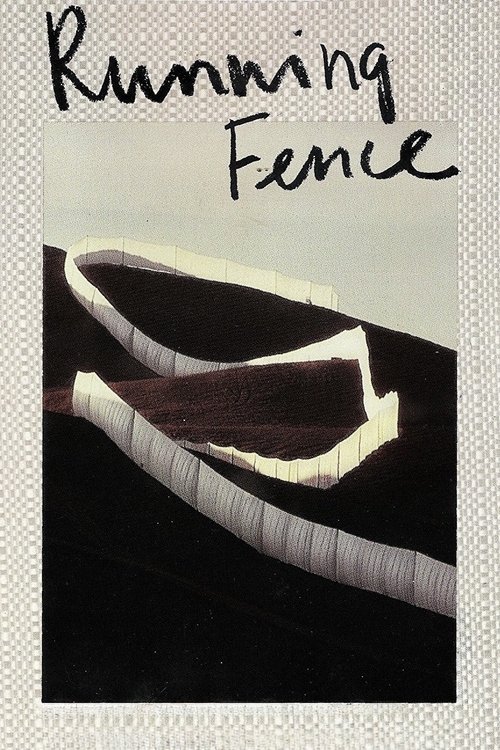
Running Fence is a deep observational study of social friction, using Christo's landscape art to reveal tensions around land use and ownership. Its strength lies in its sophisticated critique of individual property rights versus the public interest. However, the film's demographic range is limited, reflecting the specific historical and geographic context of 1970s Marin County, which leads to a lack of racial and LGBTQ+ diversity.
Category Breakdown
The film focuses on the logistical and social challenges of a large-scale art installation. There are no LGBTQ+ characters or stories that explore non-straight identities.
Women are shown as active participants in civic and social discussions rather than being confined to domestic roles. However, power dynamics often follow traditional community structures.
Set in 1970s Marin County, the film depicts a mostly white, rural, and suburban population. The narrative serves as a strict observational study of this specific local group.
The film questions Western property concepts by focusing on a temporary, public art project. It highlights the tension between traditional ranching and modern collective movements.
There are no prominent depictions of visible or invisible disabilities that play a key role in the narrative or character development.
Present on Screen
Limited or Absent
Official Synopsis
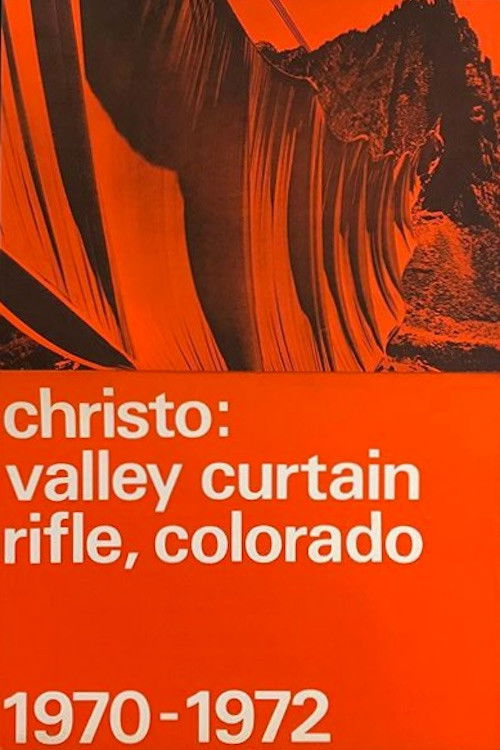
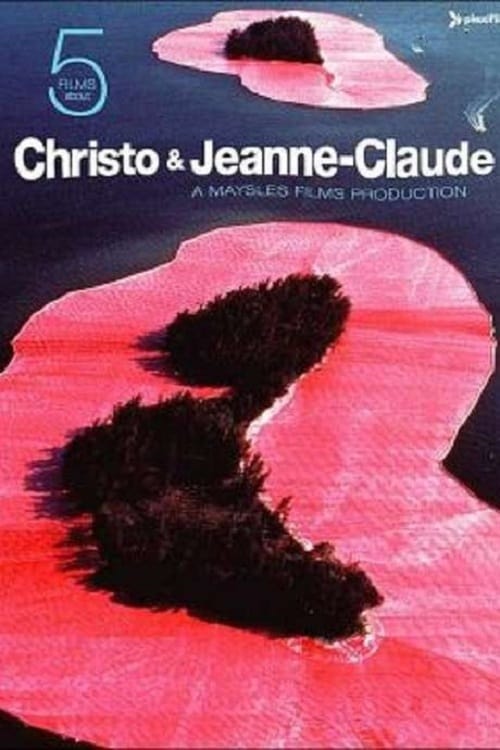
Second in the series by the Maysles brothers documenting the monuments/sculptures of Christo, whose art projects are landscape-scaled, and more "pop" performance art designed to question how we relate to art in the public sphere, especially when it's as oblique, non-political (at least, that is what he would claim), and neutral as running a fence through a landscape.
2008

2012
2015
2017
1974
1987

2019
2007
No reviews yet. Be the first to share your thoughts on this movie!
Use the rating form above to leave a star rating and optional review.