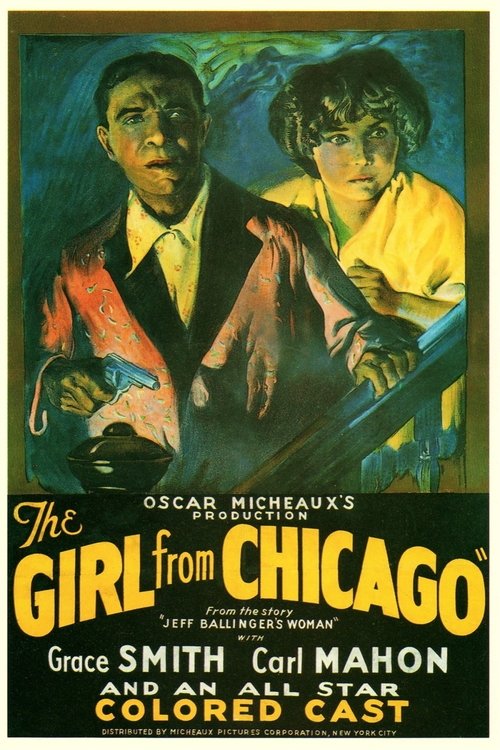
The Girl from Chicago
1932
No user ratings available yet
Representation score: 4.5 out of 10
Representation Score
Fair
1931
Director
Oscar Micheaux
Runtime
74 minutes
Average Rating
No ratings yetNew Showbiz Analysis
Oscar Micheaux’s work stands as a cornerstone for Black representation, challenging the exclusionary norms of mainstream Hollywood. By focusing on Black experiences, the film questions the white-centric norms of its time. Despite limitations due to the social constraints of the 1930s, particularly regarding LGBTQ+ representation and modern gender roles, the film remains a significant achievement. It emphasizes the depth and autonomy of Black characters. Overall, the film critiques the impact of American social structures on Black citizens, reclaiming narrative power through a self-contained cinematic universe.
Category Breakdown
The film focuses on a romantic relationship between a nightclub owner and a farmgirl, reflecting the heterosexual norms of the early 1930s. There is no indication of same-sex intimacy.
The story explores traditional feminine roles through a sophisticated city woman and an idealistic country girl. The nightclub owner character demonstrates economic independence and social influence.
This film features an all-Black cast that challenges stereotypes with nuanced socioeconomic identities. It counters the derogatory caricatures common in 1930s mainstream cinema.
The narrative highlights the religious and communal life of the Black community, focusing on themes of personal redemption and social status.
There is no information about the portrayal of physical or neurodevelopmental disabilities in this film.
Present on Screen
Limited or Absent
Official Synopsis
An idealistic young man is torn between a sultry Chicago nightclub owner and a Scottish South Dakotan farmgirl.
1932

1930

1936

1920
1932
1936
1933
1929
No reviews yet. Be the first to share your thoughts on this movie!
Use the rating form above to leave a star rating and optional review.