
I Am Jane Doe
2017
No user ratings available yet
Representation score: 3.8 out of 10
Representation Score
Excellent
2017
TV-14Director
Sadhvi Siddhali Shree
Runtime
79 minutes
Average Rating
No ratings yetNew Showbiz Analysis
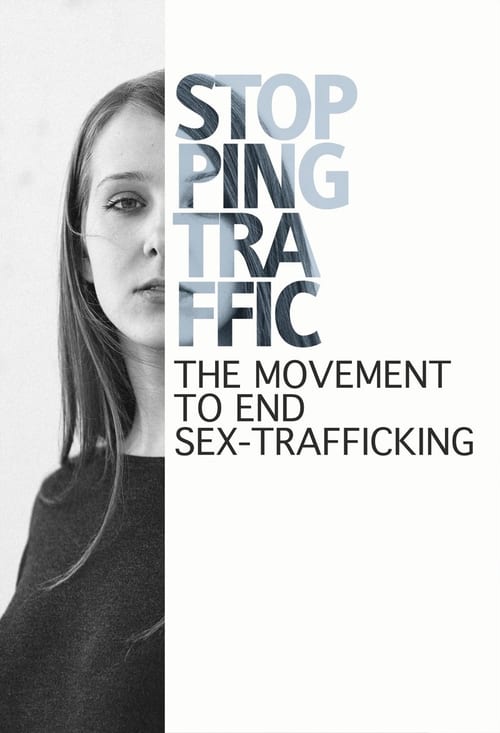
Stopping Traffic functions as advocacy media that centers the ability to act of underrepresented survivors. It avoids treating human trafficking as a localized or 'othered' issue, instead presenting it as a systemic global crisis. The film's strength lies in its critique of modern digital and capitalist structures. By documenting how technology facilitates modern slavery, it frames the movement for change as a disruption of existing social hierarchies. While the documentary touches on globalized crime, specific depictions of LGBTQ+ identities and disability-focused ability to act remain unconfirmed in the available narrative details.
Category Breakdown
The film explores the mechanics of sex trafficking and survivor experiences. While the subject matter involves overlapping aspects of identity, there are no explicit LGBTQ+ characters or critiques of straight-centered relationships.
The narrative emphasizes the role of survivors through personal stories of empowerment. This approach disrupts traditional power hierarchies by highlighting resilience rather than portraying victims as passive recipients of trauma.
The documentary challenges the idea that trafficking is limited to underdeveloped regions. By documenting its prevalence in the U.S. and industrial nations, the film adopts a diverse, international perspective.
The film critiques how digital capitalism and social media facilitate exploitation. It frames the movement as a necessary disruption of global power dynamics and institutional failures.
The subject matter involves profound physical and psychological trauma. However, the film does not explicitly confirm portrayals of characters with disabilities through an ability to act-focused lens.
Present on Screen
Limited or Absent
Official Synopsis
With the instant reach of social media and explosion in cyber porn, a child sex slave can be purchased online and delivered to a customer more quickly than a pizza. Stopping Traffic: The Movement to End Sex Trafficking starts the conversation on a taboo topic – with raw images of life on the streets, heart-pounding rescues and gut-wrenching, personal stories – ultimately offering a story of hope and empowerment, with the goal of engaging others in launching a movement to end modern-day slavery. With 27 million victims, human trafficking is the 2nd largest criminal enterprise in the world. Not just a back-alley enterprise in underdeveloped regions, it’s also prevalent in the U.S. and industrial nations. Stopping Traffic takes an unflinching, first-hand look at this shadowy underworld, telling the shocking story through the eyes of survivors, veteran activists, front-line rescue organizations and celebrities who support the cause, including Dolph Lundgren and Jeannie Mai.
2017

2012

2013

2010

2009

2012

2011

2006
No reviews yet. Be the first to share your thoughts on this movie!
Use the rating form above to leave a star rating and optional review.