Newborns
2014
No user ratings available yet
Representation score: 9.6 out of 10
Representation Score
Excellent
2012
Not RatedDirector
Daniel Junge, Sharmeen Obaid-Chinoy
Runtime
40 minutes
Average Rating
No ratings yetNew Showbiz Analysis
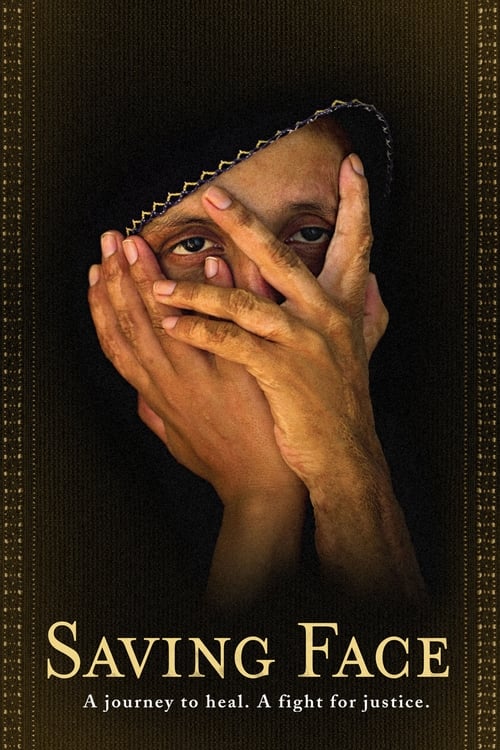
Saving Face is a profound exercise in storytelling that disrupts conventional documentary clichés. By centering the lived experiences of acid attack survivors, the film moves beyond mere reportage to provide a deep critique of power dynamics and systemic violence. The narrative architecture successfully challenges traditional hierarchies by grounding the expertise and restorative ability to act within the local Pakistani context, allowing the subjects to dictate the film's rhythm. While the film excels in gender, racial, and disability representation, it lacks explicit LGBTQ+ narratives. However, its broader critique of how society polices the female body provides a strong thematic connection to queer theory.
Category Breakdown
The film focuses on gender and physical trauma within a patriarchal framework. It does not include explicit LGBTQ+ characters or stories that challenge the assumption that everyone is straight or cisgender, but it does critique the rigid policing of bodies by society.
Women are portrayed as active agents of justice rather than passive victims. The film highlights their resilience against systemic misogyny and domestic subordination, challenging traditional hierarchies.
This documentary offers an authentic portrayal of Pakistani identity without a Western-centric perspective. It grounds expertise and healing within the local context through a Pakistani plastic surgeon.
The film critiques how traditional concepts of 'honor' function as tools of oppression. It explores the tension between established social hierarchies and individual autonomy.
Survivors' physical transformations are treated as reclaimed ability to act rather than inspiration porn. The film examines the intersection of physical scarring, social stigma, and psychological reintegration.
Present on Screen
Limited or Absent
Official Synopsis
Every year hundreds of people - mostly women - are attacked with acid in Pakistan. Follow several of these survivors, their fight for justice, and a Pakistani plastic surgeon who has returned to his homeland to help them restore their faces and their lives.
2014
2004
2007

2015
2015
2013
2011

2010
No reviews yet. Be the first to share your thoughts on this movie!
Use the rating form above to leave a star rating and optional review.