Budapest Tales
1977
No user ratings available yet
Representation score: 6.5 out of 10
Representation Score
Good
1995
Director
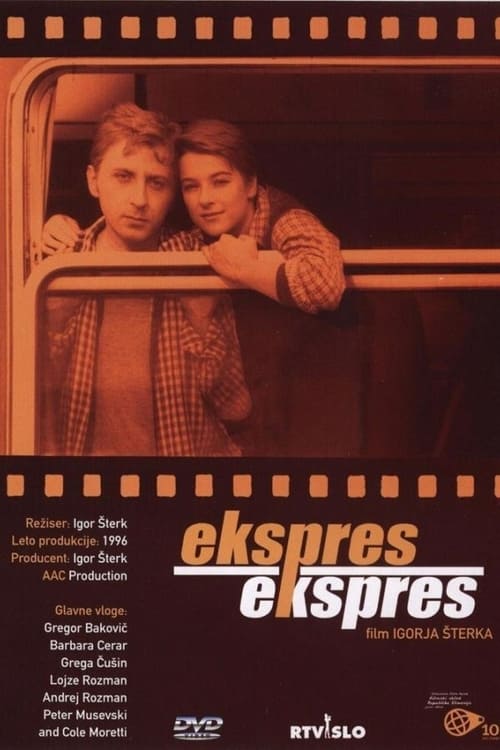
Igor Šterk
Runtime
75 minutes
Average Rating
No ratings yetNew Showbiz Analysis
Gone with the Train is a surreal character study that highlights eccentric individuals rather than advocating for diverse demographics. It presents a cast of social outsiders and non-conforming characters, disrupting conventional social norms. However, the film lacks complexity in representing multiple aspects of identity. While it embraces the unusual, it doesn't offer explicit LGBTQ+ representation or a diverse mix of ethnicities, staying within a localized European context. Ultimately, the film's strength lies in its subversion of rigid social hierarchies through its avant-garde style, even though it misses opportunities for broader demographic inclusion.
Category Breakdown
The film doesn't show LGBTQ+ identities explicitly. The main romance revolves around a relationship between the male lead and a female character.
The protagonist challenges typical masculine stereotypes by actively expressing grief through physical actions. The story replaces traditional mourning rituals with energetic and humorous moments.
The production seems focused on a specific European area. The cast includes social outsiders rather than a mix of ethnicities or a global audience.
The story turns a mourning journey into an absurd adventure, emphasizing individual uniqueness over traditional social structures.
A deaf-mute duo is part of the ensemble. Their presence shifts the focus away from purely able-bodied main characters.
Present on Screen
Limited or Absent
Official Synopsis
After his father's death, a young man (Gregor Bakovic) uses the black mourning flag and sews himself a pair of trousers. He then takes a train trip and meets a variety of bizarre characters, including a stowaway, a deaf-mute duo, a balloon-seller, a bird enthusiast, and an attractive girl (Barbara Cerar). Their railway romance gets derailed, but a variety of sight gags and caboose comedics keep the film on track and in loco motion.
1977
1976
1997
1965
1977

1984

2003

2001
No reviews yet. Be the first to share your thoughts on this movie!
Use the rating form above to leave a star rating and optional review.