Balked at the Altar
1908
No user ratings available yet
Representation score: 1.1 out of 10
Representation Score
Minimal
1908
Director
D.W. Griffith
Runtime
12 minutes
Average Rating
No ratings yetNew Showbiz Analysis
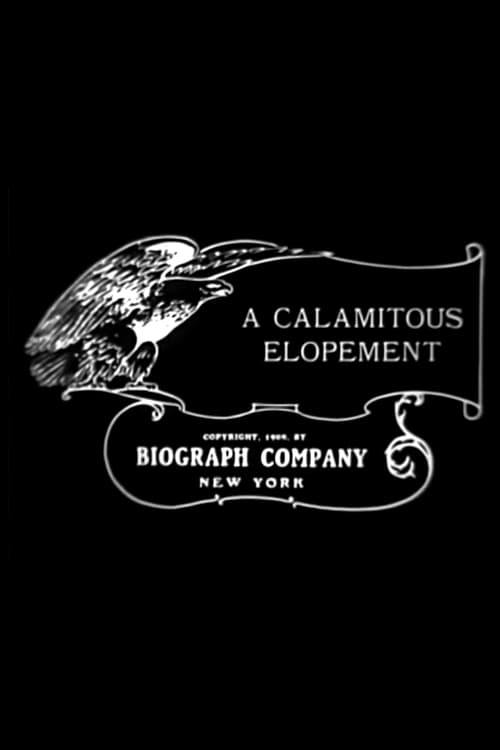
A Calamitous Elopement is a product of its era, functioning as a standard early silent comedy. It relies on established clichés of domesticity and crime to drive its brief comedic arc rather than attempting to challenge social hierarchies. The narrative reinforces traditional patriarchal dynamics, with male figures exerting control over the romantic union. The film adheres to the social and demographic norms of the early 20th century, offering little in the way of systemic disruption. Ultimately, the work prioritizes situational comedy and rapid narrative progression over diverse representation or cultural critique.
Category Breakdown
The film focuses on a traditional romantic relationship between a man and a woman. It operates within standard frameworks that assume everyone is straight or cisgender, without any evidence of non-cisgender identities.
Male characters drive the main conflict through authority and physical dominance. The female character's role is limited to participating in the elopement within a patriarchal structure.
The film likely reflects the homogeneous casting standards of 1908. There is no evidence of characters from non-Anglo-Saxon backgrounds or diverse casting within the narrative.
The story uses domestic disruption and theft as vehicles for slapstick humor. It does not critique Western institutions like the family or property.
There is no evidence of characters with visible or invisible disabilities being utilized within this narrative.
Present on Screen
Limited or Absent
Official Synopsis
A young couple are enjoying a romantic interlude in the young woman's home, when her father discovers them and angrily chases the young man out of the house. They thus decide to elope, and they make plans accordingly. But as they are leaving, a thief discovers their plans, and he decides to turn the situation to his own advantage.
1908
1923
1915
1916
1915
1914
1931
1919
No reviews yet. Be the first to share your thoughts on this movie!
Use the rating form above to leave a star rating and optional review.