
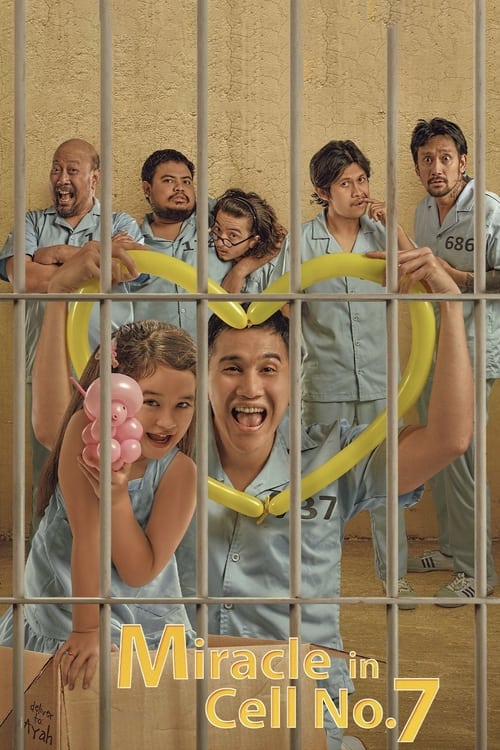
Miracle in Cell No. 7
2019
No user ratings available yet
Representation score: 6.3 out of 10

Representation Score
Fair
2019
TV-14Director
Mehmet Ada Öztekin
Runtime
132 minutes
Average Rating
No ratings yetNew Showbiz Analysis
Miracle in Cell No. 7 stands out through its empathetic and empowering portrayal of neurodivergence. By focusing on a protagonist with an intellectual disability, the film underscores how rigid societal norms fail those who don't conform to neurotypical standards. The film also provides a sharp critique of institutional authority, challenging the notion of judicial infallibility and highlighting how power dynamics can obscure the truth and marginalize the economically disadvantaged. While the film excels in its portrayal of disability and cultural critique, it lacks representation of LGBTQ+ identities and traditional gender roles dominate the supporting cast.
Category Breakdown
There are no LGBTQ+ characters in the film. The story centers around fatherly bonds and interactions within a prison setting.
The film challenges traditional masculinity by highlighting the protagonist's vulnerability instead of his strength. However, the secondary characters mostly follow traditional family roles.
The movie examines class-based identity within a Turkish context. Socioeconomic status is used as a lens to show systemic vulnerability and marginalization.
The story criticizes corrupt legal and state institutions. It portrays justice as biased towards the elite, rather than being objective.
The protagonist's neurodivergence drives the emotional core of the film. The film avoids sentimentality by focusing on the systemic obstacles his disability creates.
Present on Screen
Limited or Absent
Official Synopsis
Separated from his daughter, a father with an intellectual disability must prove his innocence when he is jailed for the death of a commander's child.
2019

2018

2013

1997

2021

2017
2022

2019
No reviews yet. Be the first to share your thoughts on this movie!
Use the rating form above to leave a star rating and optional review.