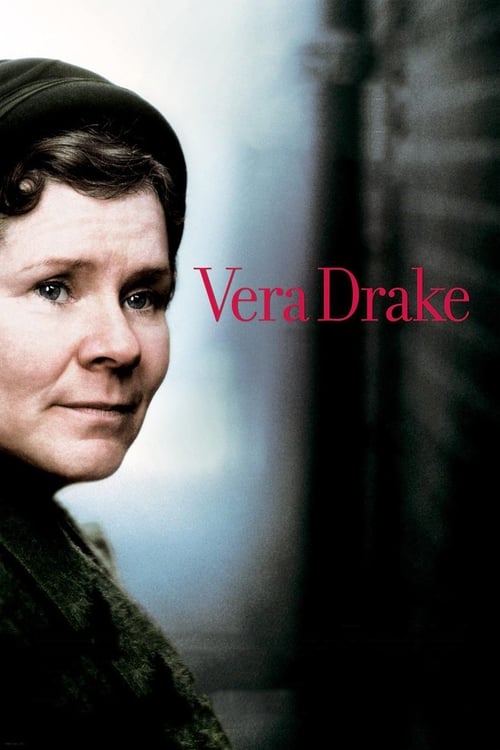
Vera Drake
2004
No user ratings available yet
Representation score: 6.8 out of 10

Representation Score
Fair
2010
TV-14Director
Barry Levinson
Runtime
134 minutes
Average Rating
No ratings yetNew Showbiz Analysis
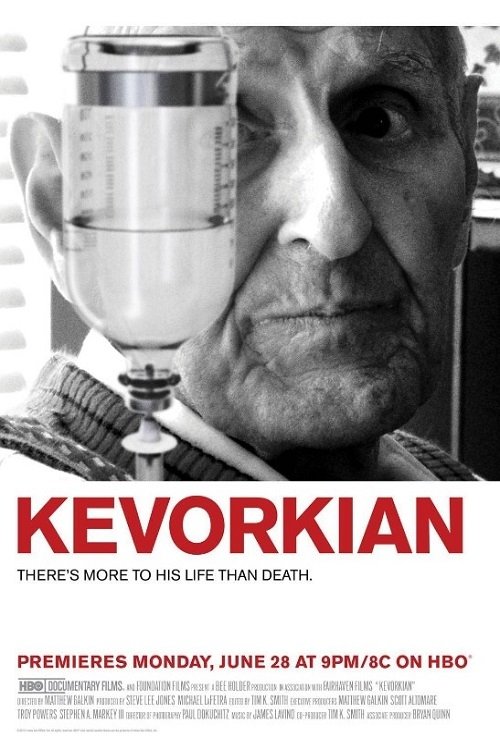
You Don't Know Jack is a character-driven biographical study that prioritizes the deconstruction of institutional authority. The film explores moral relativism and challenges the dogma of established medical and religious hierarchies. However, the film lacks multi-layered breadth. The narrative remains tied to traditional frameworks, offering limited representation for LGBTQ+ identities and racial diversity. The focus on a single male protagonist limits the scope of gender ability to act. While the film touches on the realities of terminal illness, these elements serve the central ethical debate rather than providing a platform for diverse perspectives on disability.
Category Breakdown
The film focuses almost exclusively on the biographical trajectory of Jack Kevorkian. It lacks significant LGBTQ+ characters or non-cisgender identities within its narrative structure.
The central male figure holds most of the narrative ability to act. Female characters primarily exist in relation to the medical and legal consequences of Kevorkian's actions.
The film reflects the demographics of the medical and legal institutions of the time. It does not prioritize racial diversity or use casting to challenge historical norms.
The narrative offers a sophisticated critique of Western religious and medical institutions. It portrays these systems as rigid structures that clash with individual autonomy and personal control.
The story engages with terminal illness and bodily autonomy as catalysts for ethical debates. However, characters with disabilities lack independent ability to act outside of the central medical discussion.
Present on Screen
Limited or Absent
Official Synopsis
Controversy and legal problems follow Dr. Jack Kevorkian as he advocates assisted suicide.
2004
2004

2018
1990
2010

2021

2018
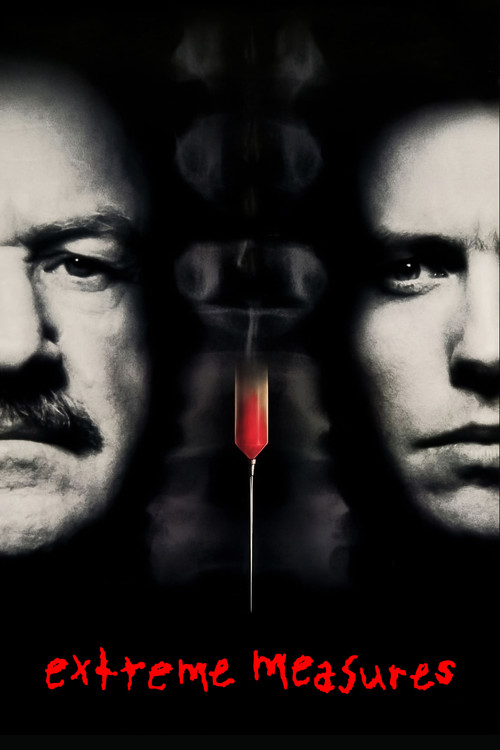
1996
No reviews yet. Be the first to share your thoughts on this movie!
Use the rating form above to leave a star rating and optional review.