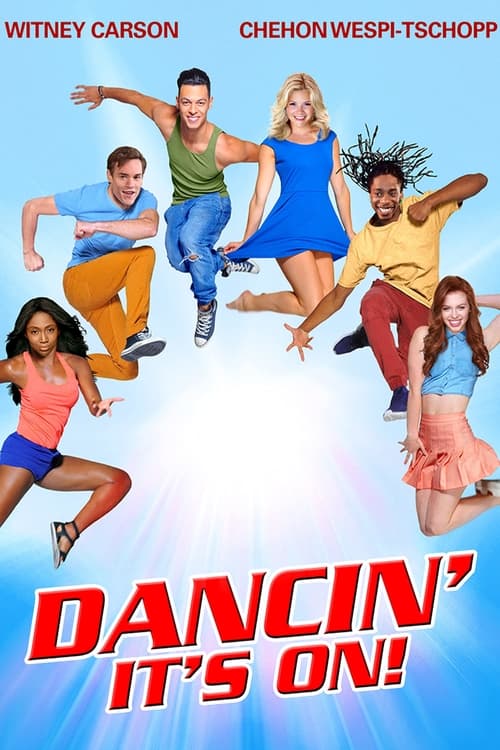
Dancin': It's On!
2015
No user ratings available yet
Representation score: 3.7 out of 10
Representation Score
Good
2012
PG-13Director
Susan Seidelman
Runtime
102 minutes
Average Rating
No ratings yetNew Showbiz Analysis
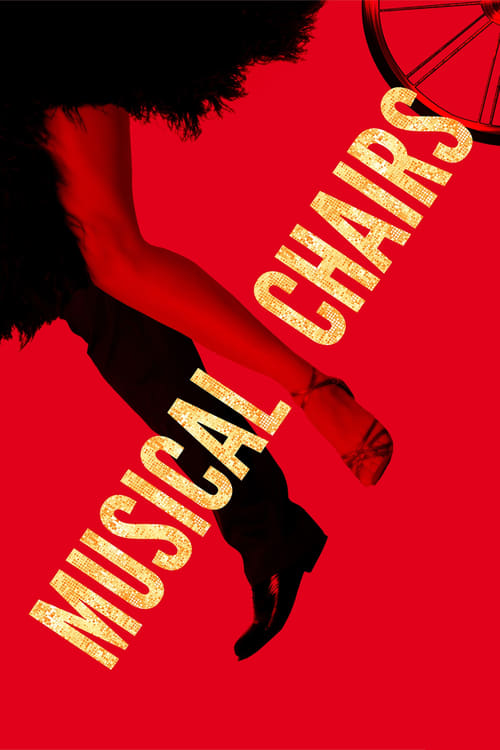
Musical Chairs succeeds as a character-driven narrative that avoids common pitfalls in disability representation. By emphasizing technical skill and competitive drive, the film portrays the wheelchair as part of the character's identity rather than a limitation. The protagonist's journey offers a compelling look at female self-actualization. However, the film's reach is limited by a narrow demographic focus. The narrative remains largely homogeneous, lacking meaningful racial diversity or LGBTQ+ presence. This creates a traditional cinematic structure that misses opportunities for multi-layered depth. Ultimately, the film is a specialized success. It excels in specific areas of representation while maintaining a conventional broader social and cultural perspective.
Category Breakdown
The film does not include visible LGBTQ+ characters or non-cisgender identities. Romantic and interpersonal relationships follow traditional heterosexual norms without challenging these conventions.
The story centers around a woman's professional growth and emotional resilience. The protagonist drives the plot through her intellect and determination in competitive settings.
The film features a predominantly white cast set in a specific urban environment. It lacks significant racial diversity and does not give high-profile roles to characters of color.
The story unfolds within a typical Western capitalist context. It emphasizes secular, individualistic goals for identity formation rather than religious or moral frameworks.
The film presents a nuanced portrayal of disability by focusing on a wheelchair user in a competitive environment. It avoids pity-based clichés by highlighting the character's ability to drive the story and skills.
Present on Screen
Limited or Absent
Official Synopsis
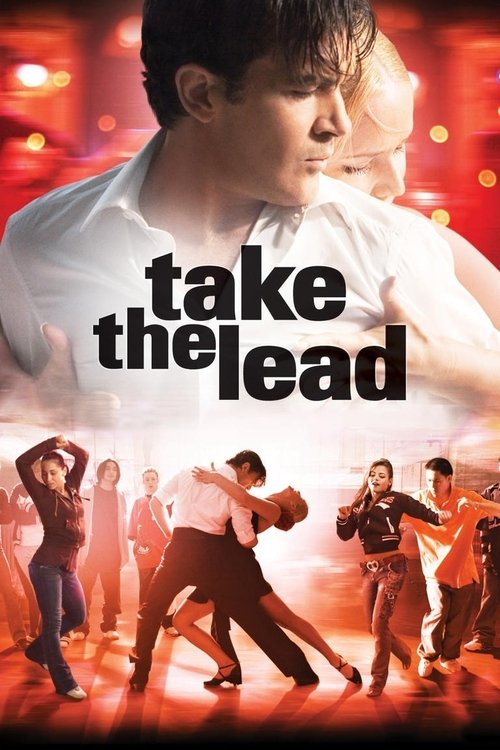
When his dancer partner, Mia, lands in the hospital after an accident, Armando persuades her to train for an upcoming wheelchair ballroom dancing contest.
2015
1996
1978
1952

2003
2002

2021
2006
No reviews yet. Be the first to share your thoughts on this movie!
Use the rating form above to leave a star rating and optional review.