Feel the Beat
2020
No user ratings available yet
Representation score: 6.8 out of 10
Representation Score
Good
2006
PG-13Director
Liz Friedlander
Runtime
118 minutes
Average Rating
No ratings yetNew Showbiz Analysis
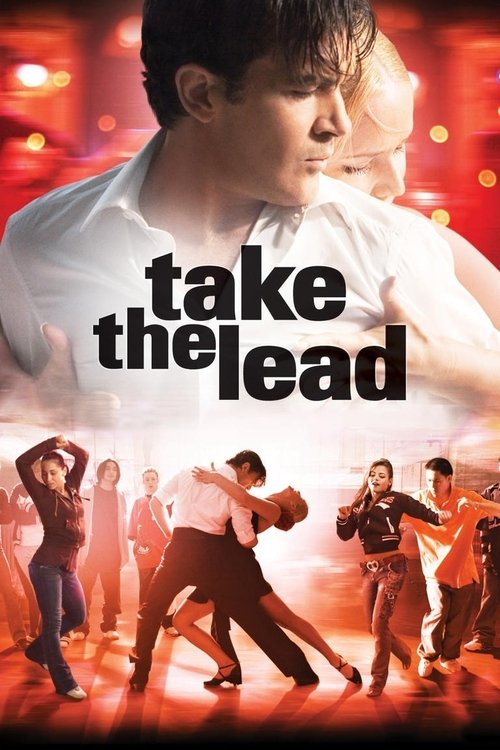
Take the Lead validates the cultural capital of underprivileged urban youth by presenting their rebellion as a sophisticated form of cultural reclamation. It avoids framing its diverse cast through a lens of deficit, instead showing their active role in shaping their environment. The film's primary strength lies in its authentic portrayal of racial and ethnic diversity, using a multi-ethnic cast to drive the plot. By blending ballroom and street dance, the characters actively reshape their environment rather than just reacting to it. However, the film remains limited by its traditional gender and social structures, and a lack of representation for neurodivergent or disabled characters. These omissions prevent a more comprehensive exploration of identity and ability to act.
Category Breakdown
The film does not feature any prominent LGBTQ+ characters or storylines. Romantic and social interactions stay within traditional heterosexual norms.
The narrative disrupts gender hierarchies by centering female leadership and intellectual work. It passes the Bechdel test through meaningful conversations between female characters about school management.
A multi-ethnic cast reflects the diversity of urban New York schools. Students of color are shown as active participants in creating a new cultural dance style.
The film critiques systemic failures in public education and urban economic disparities. It portrays the 'street' culture as a response to rigid institutional constraints.
The story does not focus specifically on neurodivergence or visible disabilities. Physical abilities are considered a standard requirement for dancing, rather than a focus on disability issues.
Present on Screen
Limited or Absent
Official Synopsis
A former professional dancer volunteers to teach dance in the New York public school system and, while his background first clashes with his students' tastes, together they create a completely new style of dance. Based on the story of ballroom dancer, Pierre Dulane.
2020
1996
2000
1999
2008
2016

2020

2005
No reviews yet. Be the first to share your thoughts on this movie!
Use the rating form above to leave a star rating and optional review.