Danse du papillon
1900
No user ratings available yet
Representation score: 1.3 out of 10
Representation Score
Limited
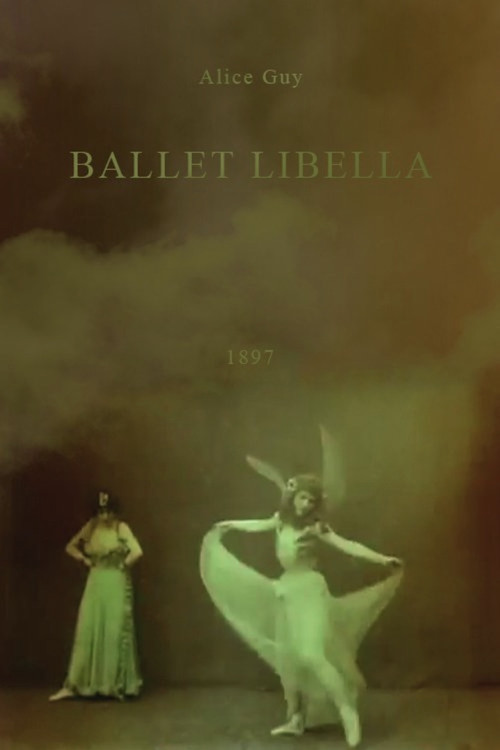
1897
Director
Albert Kirchner, Alice Guy-Blaché
Runtime
1 minutes
Average Rating
No ratings yetNew Showbiz Analysis
Ballet Libella is historically significant due to the pioneering work of Alice Guy-Blaché, one of the earliest female directors. Her involvement marks an early challenge to the predominantly male-dominated film industry. The film excels in showcasing female individual expression and creative ability to act, moving away from the conventional focus on domestic life or ethnographic studies. However, the film's narrow focus and lack of detailed cast information make it challenging to assess its impact on broader issues of racial, ethnic, or LGBTQ+ representation.
Category Breakdown
The film includes a romantic, dreamlike dance scene. However, there is no clear indication of LGBTQ+ identity or non-straight relationships.
A female character is the sole focus of the film, highlighting her individual creativity and physical expression. This shifts attention away from traditional gender roles and emphasizes personal expression.
Due to the limited visual scope and lack of detailed cast information, there is not enough evidence to determine the presence of racial or ethnic diversity.
The film prioritizes a dreamlike, subjective experience of beauty. It avoids the rigid, instructional storytelling common in late 19th-century works.
There is no evidence within the film to suggest the presence of characters with visible or invisible disabilities.
Present on Screen
Limited or Absent
Official Synopsis
A woman wearing dragonfly wings performs a romantic dreamlike dance.
1900
2011
1897
1897
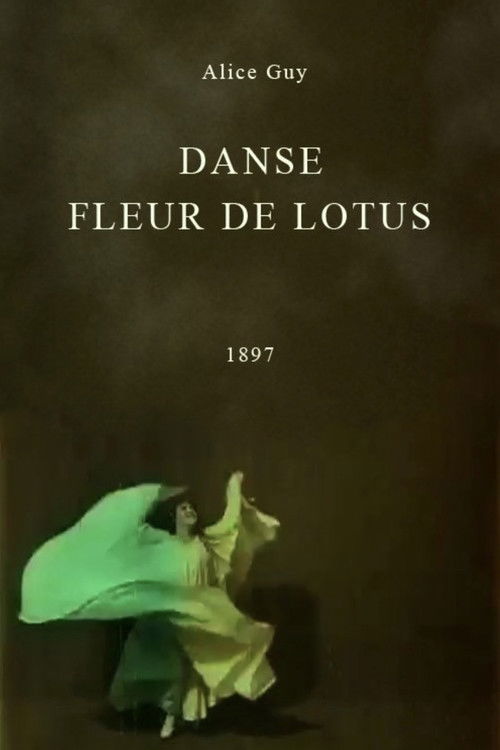
1897

1895

1894
1905
No reviews yet. Be the first to share your thoughts on this movie!
Use the rating form above to leave a star rating and optional review.