The Pit
1965
No user ratings available yet
Representation score: 5.1 out of 10
Representation Score
Limited
1996
Director
Mario Levin
Runtime
88 minutes
Average Rating
No ratings yetNew Showbiz Analysis
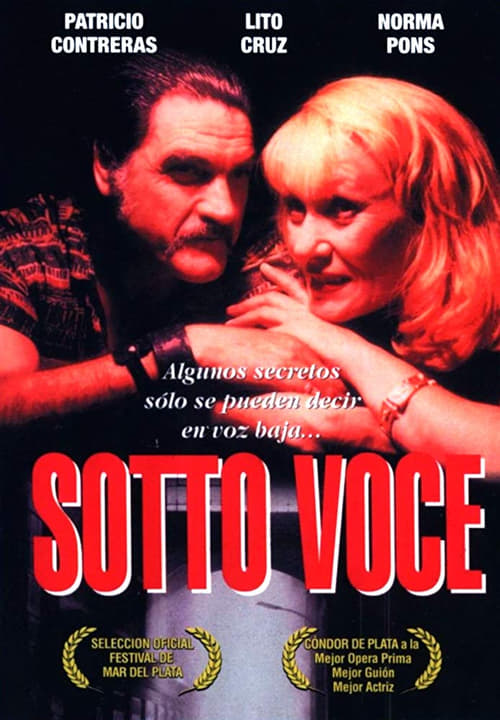
Sotto Voce operates as a conventional crime drama that prioritizes the mechanics of a mystery over identity-based exploration. While the film provides a central female lead with significant investigative ability to act, it does not engage with broader social or multi-layered themes. The narrative centers on a daughter's investigation into her father's death, using a forensic psychiatrist to uncover a criminal conspiracy. This structure emphasizes plot progression and professional investigation rather than challenging social hierarchies. Ultimately, the film lacks representation across most underrepresented categories, making it a standard genre piece rather than a work of intentional social subversion.
Category Breakdown
The film does not include any representation of LGBTQ+ identities or same-sex relationships. The story centers around family loss and a professional investigation.
Telma is a strong female character who drives the plot through her investigative work. However, the narrative does not provide enough information to assess how it challenges gender hierarchies.
The cast and character names suggest a Latin American setting. The plot focuses on individual ability to act rather than exploring racial or ethnic identities.
The film follows a traditional crime-drama structure focused on mortality and truth. It does not include overt religious critiques or specific cultural subversions in its narrative.
There is no evidence of neurodivergence or physical disabilities being used as central character traits. The narrative does not feature disability as a primary theme.
Present on Screen
Limited or Absent
Official Synopsis
Telma (Norma Pons) is concerned when her father Salerno dies of a heart attack in a movie theater while watching a film of two thugs beating another man. She believes that there is something more to it, and seeks the help of Deganis (Patricio Contreras), a forensic psychiatrist. Deganis, having found out the names of the two actors doing the beating onscreen, looks one of them up. His name is Walensky (Lito Cruz), and he is looking for Smith (Martin Adjemian), the other actor.
1965

2005
1961

2018
1957
1981
1956

1972
No reviews yet. Be the first to share your thoughts on this movie!
Use the rating form above to leave a star rating and optional review.