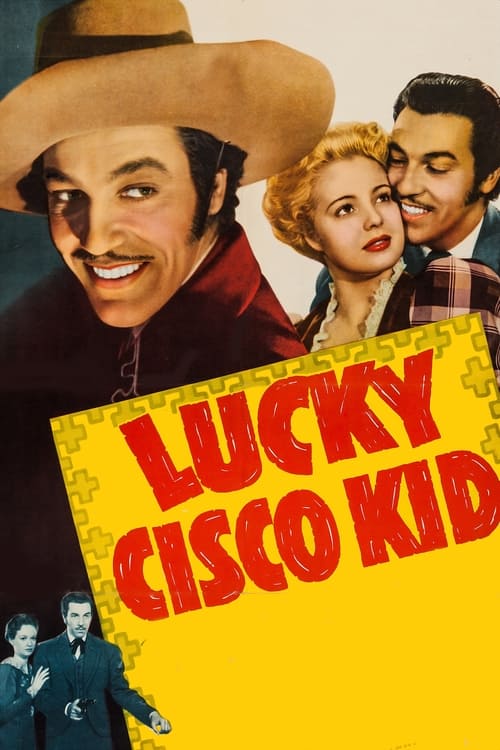
Lucky Cisco Kid
1940
No user ratings available yet
Representation score: 1.6 out of 10
Representation Score
Limited
1940
ApprovedDirector
Norman Foster
Runtime
65 minutes
Average Rating
No ratings yetNew Showbiz Analysis
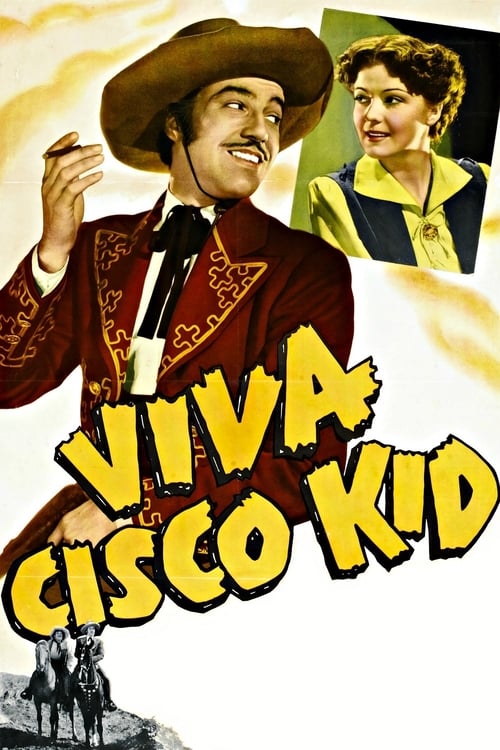
Viva Cisco Kid presents a fascinating contrast within 1940s cinema. It remains deeply conservative in its gender and LGBTQ+ depictions, adhering to the standard straight-centered and patriarchal structures of the Western genre. However, the film makes a notable progressive move for its time through its racial representation. By centering a Mexican-American actor as the central hero, it avoids the common practice of relegating Latino actors to secondary or villainous roles. Ultimately, the film demonstrates selective progressiveness, providing significant ethnic representation while upholding traditional social and gender hierarchies.
Category Breakdown
The film follows the straight-centered social structures of the 1940s. There are no queer narratives or non-cisgender identities represented.
The male protagonist holds nearly all the ability to act in the film. Female characters have conventional roles that don't challenge established gender hierarchies.
The film breaks the norms of its time by casting Mexican-American actor Gilbert Roland in the central heroic role. This avoids the usual villain or sidekick roles assigned to Latino actors.
The narrative uses the social bandit archetype common in borderland folklore. It focuses on individual folk heroism rather than critiquing institutions systematically.
There is no representation of visible or invisible disabilities within the film.
Present on Screen
Limited or Absent
Official Synopsis
Cisco saves a stagecoach from being robbed and takes a shine to one of the passengers whose father is in cahoots with a vicious criminal who plans to murder him.
1940
1938

1931
1935

1941
1941
1932
1945
No reviews yet. Be the first to share your thoughts on this movie!
Use the rating form above to leave a star rating and optional review.