
The Last Wolf
2004
No user ratings available yet
Representation score: 2.2 out of 10
Representation Score
Fair
2005
Director
Choo Chang-min
Runtime
105 minutes
Average Rating
No ratings yetNew Showbiz Analysis
Mapado succeeds as a comedic subversion of power dynamics. By removing a gangster and a corrupt officer from their positions of dominance, the film effectively challenges traditional gender hierarchies and critiques institutional authority. The elderly women on the island become the true arbiters of order, turning the perceived 'strong' male figures into harassed, domestic subjects. However, the film’s impact is limited by its cultural homogeneity and a lack of explicit LGBTQ+ representation.
Category Breakdown
The film does not include explicit LGBTQ+ identities or romantic relationships. Instead, it focuses on challenging the assumption that everyone is straight or cisgender.
The story overturns traditional masculine authority by putting two men in vulnerable positions. Elderly women have significant control, making the men passive subjects.
As a South Korean production, the film reflects a culturally homogeneous environment. It offers a localized viewpoint rather than a multi-ethnic one.
The film criticizes institutional corruption by showing police and criminals as ineffective. It emphasizes a localized form of justice led by the island's elderly residents.
There are no prominent depictions of physical or neurodivergent disabilities that drive the narrative or serve as central character arcs.
Present on Screen
Limited or Absent
Official Synopsis
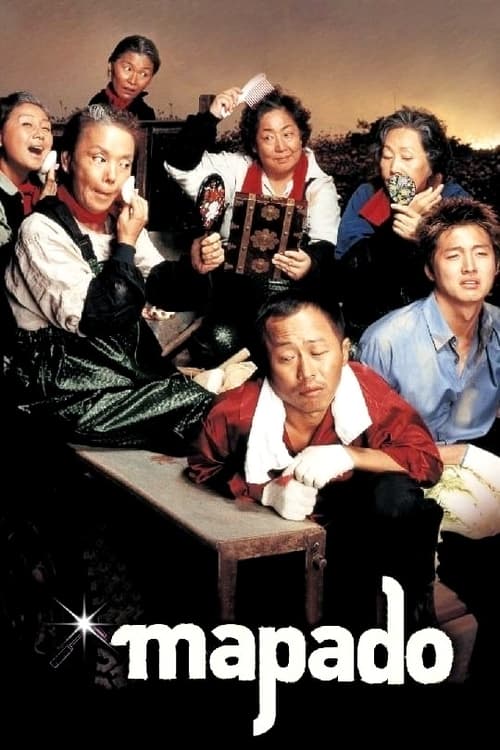
A gangster and a corrupt police officer travel to the tiny remote island of Mapado to hunt down a young woman who has run off with a winning lottery ticket. Upon arriving, they discover that no one lives there except for five old women who have not once seen a man for 20 years. Both men soon experience a nightmare of hard labor and harassment.
2004

2004

2018

2017

2002

2009

2013

2018
No reviews yet. Be the first to share your thoughts on this movie!
Use the rating form above to leave a star rating and optional review.