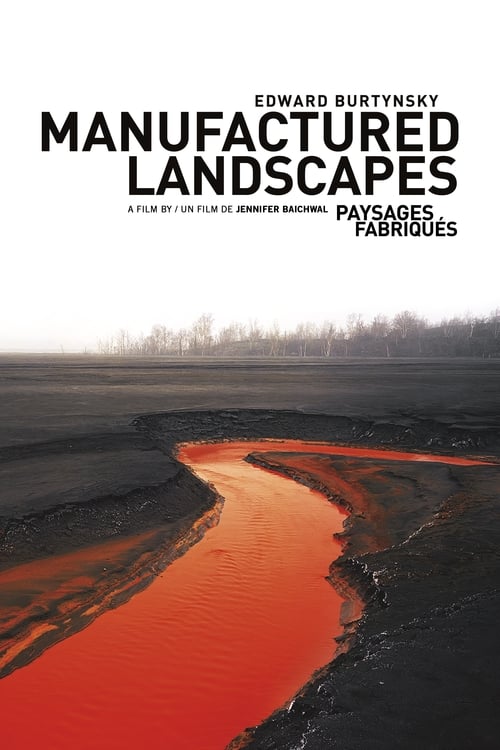
Manufactured Landscapes
2006
No user ratings available yet
Representation score: 8.7 out of 10
Representation Score
Fair
2013
PGDirector
Edward Burtynsky, Jennifer Baichwal
Runtime
92 minutes
Average Rating
No ratings yetNew Showbiz Analysis
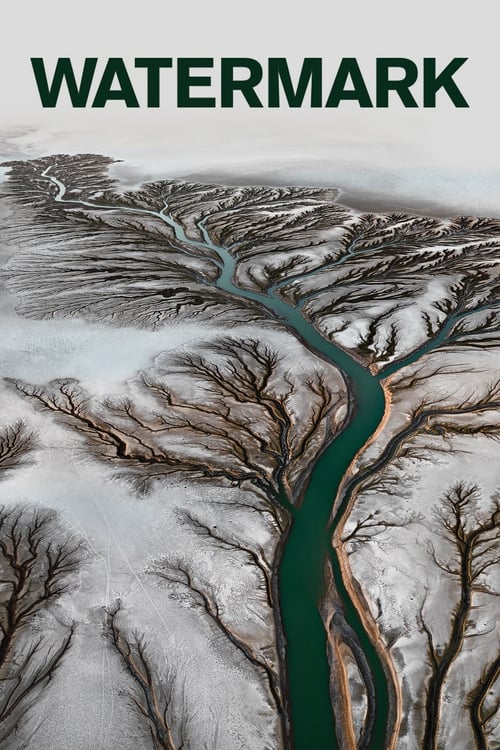
Watermark is a visual meditation on the impact of human activity on the environment rather than a social character study. By focusing on industrial landscapes, it lacks traditional markers of identity-based representation such as LGBTQ+, gender, or disability narratives. Despite this, the film offers a sophisticated critique of global industrialization and its environmental costs. It challenges the stability of human-made structures and provides a globalized perspective on the consequences of capital-driven intervention. The film succeeds by presenting a nuanced look at how human institutions reshape the natural world. It avoids polemics and instead offers a thoughtful examination of industrialization and resource management.
Category Breakdown
The film is a non-narrative, landscape-driven documentary that focuses on industrial and geological processes. It does not include any LGBTQ+ narratives.
The documentary focuses on geological and industrial processes, so it does not reinforce or subvert traditional gender hierarchies. Gendered power dynamics are not addressed.
The film captures industrial landscapes across various continents, providing a globalized perspective. However, it lacks human-centric casting to drive diverse representation.
The film critiques late-stage capitalism and the environmental costs of industrial expansion. It deconstructs traditional Western narratives of progress.
Since the documentary does not feature human characters, it does not address physical or neurodivergent representation.
Present on Screen
Limited or Absent
Official Synopsis
Following their triumph with Manufactured Landscapes, photographer Edward Burtynsky and filmmaker Jennifer Baichwal reunite to explore the ways in which humanity has shaped, manipulated and depleted one of its most vital and compromised resources: water.
2006
2013
2018
2015
2014
2014
2021
2007
No reviews yet. Be the first to share your thoughts on this movie!
Use the rating form above to leave a star rating and optional review.