Watermark
2013
No user ratings available yet
Representation score: 5.3 out of 10
Representation Score
Limited
2018
Director
Jennifer Baichwal, Nicholas de Pencier, Edward Burtynsky
Runtime
87 minutes
Average Rating
No ratings yetNew Showbiz Analysis
Anthropocene: The Human Epoch is a visual meditation on industrial transformation rather than a character study. Because the film prioritizes massive machinery and geological landscapes over human subjects, it lacks traditional metrics for identity-based representation. Its strength lies in its systemic critique. By documenting resource extraction across continents, the film challenges Western-centric notions of progress and highlights the environmental footprints of industrialized nations. It provides a profound, non-verbal deconstruction of global capitalism. Ultimately, the low diversity score is a byproduct of the film's non-narrative structure. While it lacks individual human ability to act, it succeeds in providing a high-level cultural critique of the systems driving modern ecological devastation.
Category Breakdown
The film is a non-narrative, visual documentary focused on geological and industrial landscapes. It lacks human characters and interpersonal dialogue, so there is no depiction of sexual orientation or gender identity.
The documentary focuses on large-scale environmental observation rather than character-driven narratives. It does not engage with gender hierarchies or feature protagonists that allow for the evaluation of gendered roles.
The film visually engages with the physical realities of the Global South through its global scope. However, since the subjects are landscapes and machines rather than people, it avoids explicit racial storytelling.
The work critiques traditional Western institutions and capitalist expansion. It highlights the physical scars left by industrial hegemony on the planet, adopting a post-colonial perspective.
The film focuses on macro-scale environmental changes and does not feature individual human subjects. Consequently, there is no representation of disability within the work.
Present on Screen
Limited or Absent
Official Synopsis
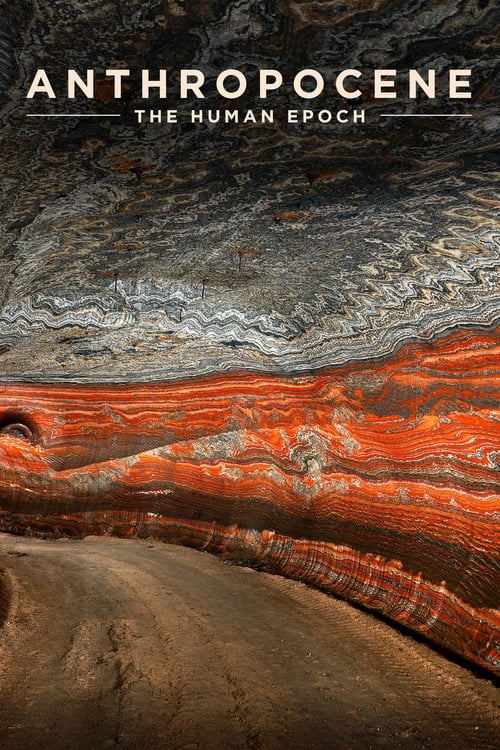
Documentary on psychedelic potash mines, expansive concrete seawalls, mammoth industrial machines, and other examples of humanity’s massive, destructive reengineering of the planet.
2013
2013
2006

2015

2006
2007

2017

2009
No reviews yet. Be the first to share your thoughts on this movie!
Use the rating form above to leave a star rating and optional review.