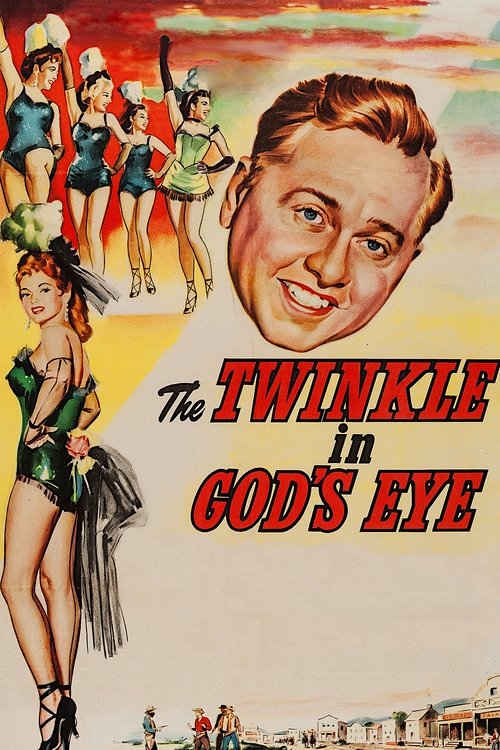
The Twinkle In God's Eye
1955
No user ratings available yet
Representation score: 0.3 out of 10
Representation Score
Minimal
1936
ApprovedDirector
William Clemens
Runtime
19 minutes
Average Rating
No ratings yetNew Showbiz Analysis
The film is a classic 1930s Western that prioritizes traditional genre clichés over social complexity. The narrative structure centers around masculine power dynamics and institutional conflicts between the church and the saloon. Since the story focuses on male-dominated institutions and class-based archetypes, it lacks depth in representing diverse identities or challenging social hierarchies. Ultimately, the film reinforces the social norms of its era, offering a narrow view of community life that excludes significant representation of gender, race, or sexual orientation.
Category Breakdown
The film does not include any LGBTQ+ characters or non-cisgender identities. It follows the traditional heterosexual social norms typical of 1930s Western cinema.
The plot is driven exclusively by male characters and masculine competition. The central conflict between the church and the saloon does not feature any visible female influence or challenges to gender hierarchies.
The setting relies on traditional Western stereotypes and homogeneous casting. There is no mention of diverse casting, suggesting adherence to the era's standard practices.
The story examines the tension between religious and secular interests. However, it frames this as a struggle for community survival rather than a critical look at these institutions.
There is no indication of characters with visible or invisible disabilities within the narrative.
Present on Screen
Limited or Absent
Official Synopsis
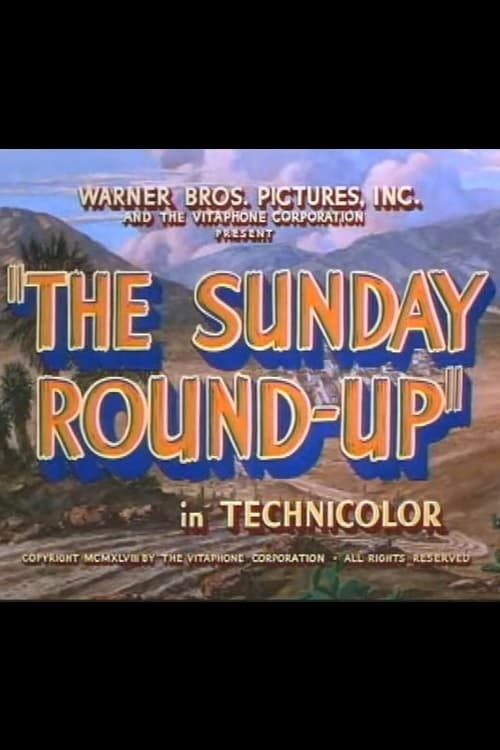
The small church, pastored by Ted Burke, in a western town is struggling to stay alive as all the men gather at Jack Higgins' Mustang Saloon every Sunday. Burke decides to ask Higgins to close his business on Sunday, but Higgins only concern is to find a baritone to sing in the saloon's quartet, and has his henchies toss Ted out into the street. Ted decides to fight fire with fire, so he gathers up the down-and-out vaudeville act of Chase & Chase (who don't take long to show why they are down and out) and knife-thrower Steve Clemente, and a dozen or so western musicians from Gower Gulch as the before-the-sermon at his tabernacle. Higgins sends his rowdies over to bust up the Sunday morning competition.
1955

1953
1945
1959
1943
1937
1931
1960
No reviews yet. Be the first to share your thoughts on this movie!
Use the rating form above to leave a star rating and optional review.