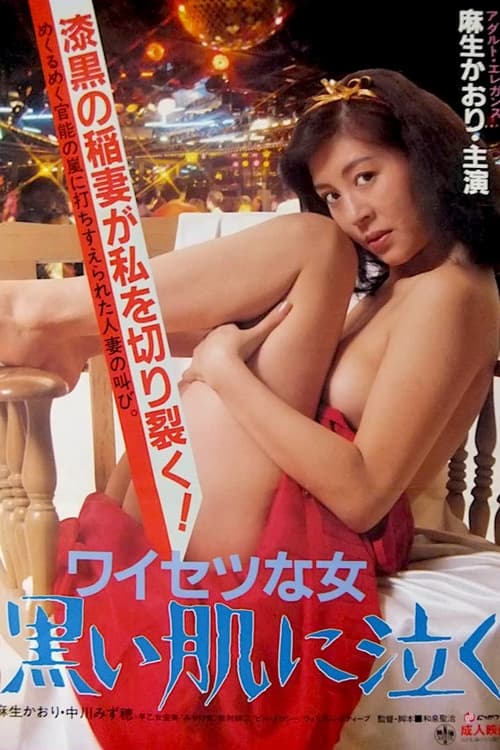
Waisetsuna onna: Kuroi hada ni naku
1985
No user ratings available yet
Representation score: 4.6 out of 10
Representation Score
Limited
1975
Director
Akitaka Kimata
Runtime
68 minutes
Average Rating
No ratings yetNew Showbiz Analysis
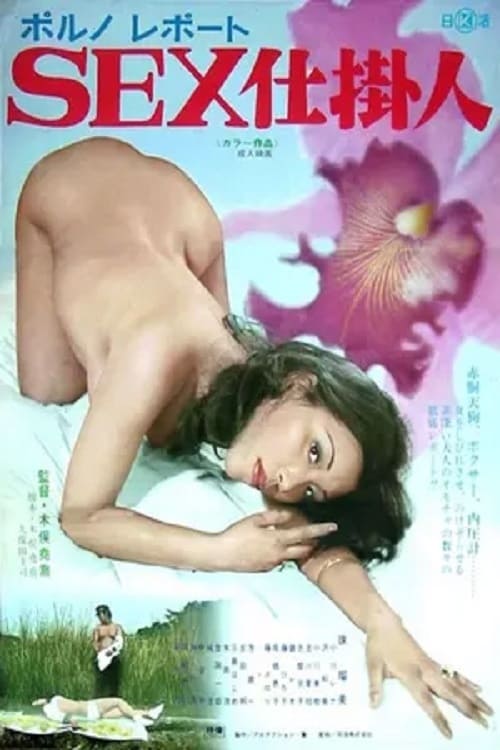
Sex shikakenin is a product of its time, functioning primarily as a genre piece within the context of 1970s Japanese filmmaking. It lacks the complexity needed for a higher diversity rating. The narrative does not engage in systemic social critique or disrupt traditional hierarchies. Instead, it adheres to the standard erotic and dramatic frameworks of the era. Because the film operates within a relatively narrow social context, it misses opportunities for meaningful representation across most progressive metrics.
Category Breakdown
The film does not include non-straight or non-cisgender identities and seems to follow typical erotic themes from 1970s Japanese cinema.
Female characters might exist but seem to fit within the established period clichés. There is no clear effort to challenge traditional gender roles or prioritize female intellect.
The cast likely consists of actors from similar ethnic backgrounds, reflecting the social homogeneity of 1975 Japan. The film does not intentionally blend races or cast actors outside their traditional roles.
Themes focus on individual and erotic pursuits rather than critiques of capitalism or religion. The film does not significantly challenge establishment norms or promote progressive social frameworks.
There is no evidence of characters with physical or neurodivergent disabilities in the film.
Present on Screen
Limited or Absent
1985

2017
1982
1976
1975
1975

1975

1972
No reviews yet. Be the first to share your thoughts on this movie!
Use the rating form above to leave a star rating and optional review.