
Debauchery
1983
No user ratings available yet
Representation score: 5.2 out of 10
Representation Score
Fair
1975
Director
Ikuo Sekimoto
Runtime
67 minutes
Average Rating
No ratings yetNew Showbiz Analysis
The film stands out for its portrayal of women's ability to drive the story within a historically rigid framework. By focusing on Natsu's pursuit of social advancement through unconventional means, the story challenges the patriarchal and religious constraints of the Genroku era. However, the production remains limited by its historical homogeneity. The lack of LGBTQ+ representation and the absence of disability narratives result in a narrow focus on diverse identities.
Category Breakdown
The story centers around the relationships between female characters and male figures without exploring non-straight or non-cisgender identities.
Natsu challenges traditional female passivity by using her sexuality strategically to improve her social standing. She actively navigates societal structures to change her socioeconomic status.
The cast is ethnically uniform, reflecting the historical context of the Genroku era in Japan. The film does not blend cultures or use actors from different ethnic backgrounds.
The film criticizes traditional institutions by portraying the Buddhist monastery as a restrictive environment. It emphasizes individual ambition and moral relativism over strict religious adherence.
The narrative does not include characters dealing with physical, neurological, or mental health conditions.
Present on Screen
Limited or Absent
Official Synopsis
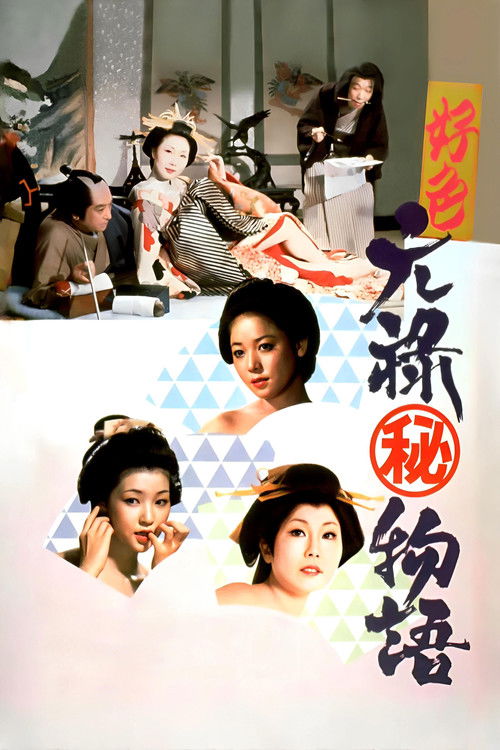
Natsu, the older of two sisters, has a relationship with Yonosuke, the local kimono trader. Unlike her more conservative sister Oshichi she tries to use sex as a means to climb to a better social position. To even attempt that she first needs to get out of the Buddhist monastery she is working at...
1983

1956

1972

1976

1966

1973

1964

1981
No reviews yet. Be the first to share your thoughts on this movie!
Use the rating form above to leave a star rating and optional review.