Who We Are: A Chronicle of Racism in America
2022
No user ratings available yet
Diversity score: 6.9 out of 10
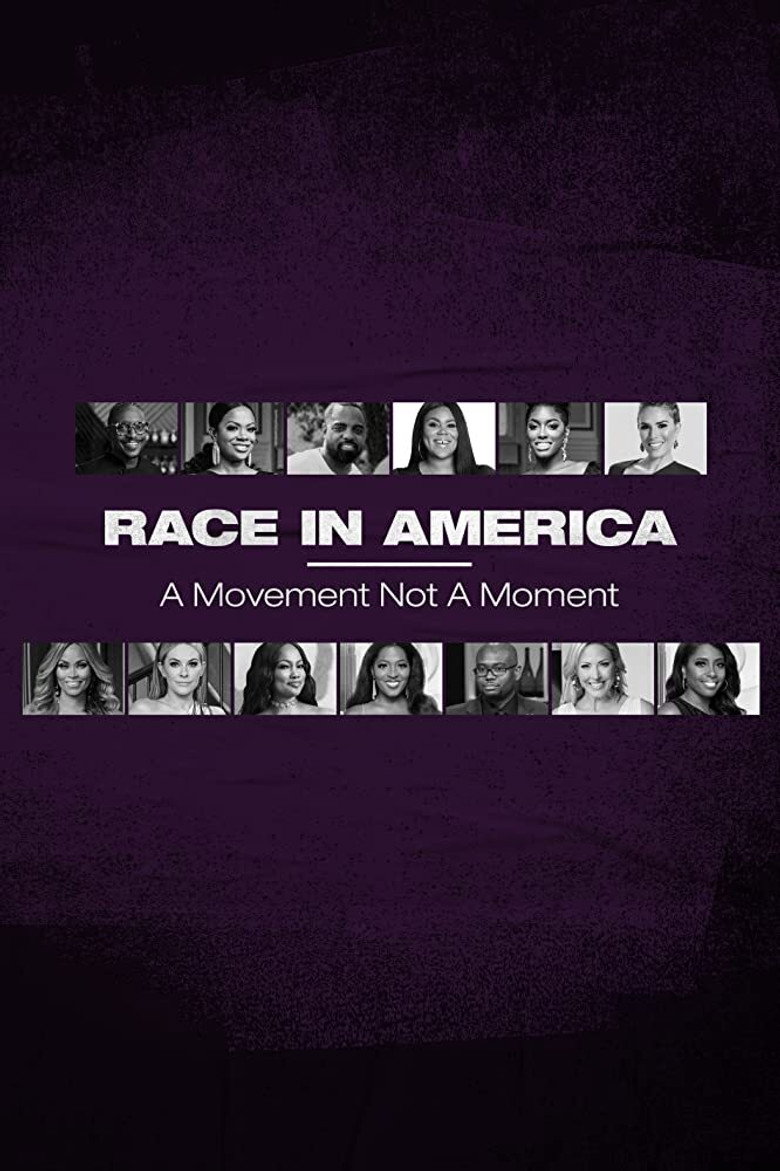
2020
TV-14Runtime
90 minutes
Average Rating
No ratings yetSynopsis
Guided by host Nina Parker, Bravolebrities offer their thoughts and personal stories on the Black Lives Matter movement, racial inequality in America, the value of allies, Karens and privilege, the role voting plays in changing the system, and many other topics. The three doctors on the panel also offer their perspectives on race in the medical world.
Overall Score
Good
Category Breakdown
LGBTQ+ Representation
The film lacks explicit mentions of queer identities or specific LGBTQ+ narratives. While the focus on intersectional activism suggests potential inclusion, there is no direct on-screen evidence of non-cisnormative representation.
Gender Representation
Host Nina Parker provides a strong female-led perspective on systemic issues. The inclusion of female celebrities and medical professionals places women in positions of intellectual authority and social commentary.
Racial & Ethnic Diversity
The documentary centers on the Black experience and the Black Lives Matter movement. It uses personal stories to challenge systemic hierarchies and prioritize marginalized voices in the conversation about racial inequity.
Religious & Cultural Diversity
The film critiques established institutions by analyzing privilege and systemic failures in the medical field. It focuses on fundamental societal reform through voting and social movements rather than preserving traditional structures.
Disability Representation
There is no verifiable evidence regarding the representation of physical disabilities or neurodivergence. While medical professionals are present, their focus remains on racial dynamics within the healthcare system.
Strengths
Areas for Improvement
AI Analysis
This documentary serves as a high-agency platform for Black voices, centering the Black Lives Matter movement and the mechanics of racial privilege. By utilizing personal stories and professional medical perspectives, it directly challenges systemic hierarchies and institutional power. While the film excels in racial and cultural critique, it lacks specific visibility for LGBTQ+ and disability-centric narratives. The representation of these groups remains speculative or absent based on the available content. Ultimately, the work succeeds as a progressive narrative framework that prioritizes identity politics and social reform, even if it does not provide a broad spectrum of intersectional visibility.
2022

2021
2020

2021
2020

2022

2021

2016
2017

2014

2020

2019
No reviews yet. Be the first to share your thoughts on this movie!
Use the rating form above to leave a star rating and optional review.