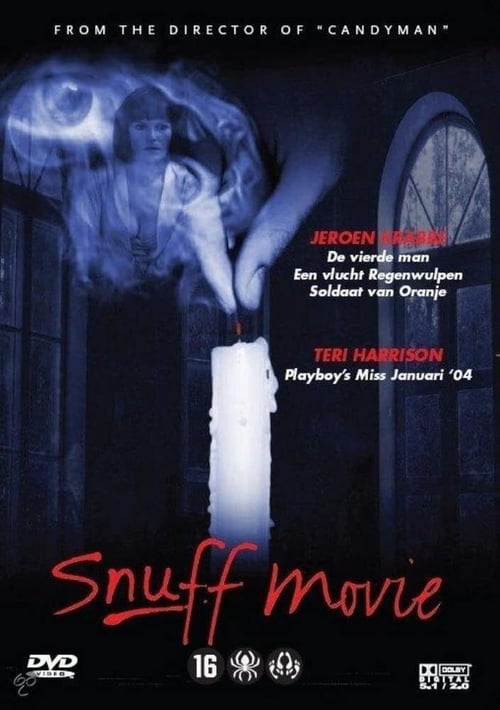
Snuff-Movie
2005
No user ratings available yet
Representation score: 1.5 out of 10
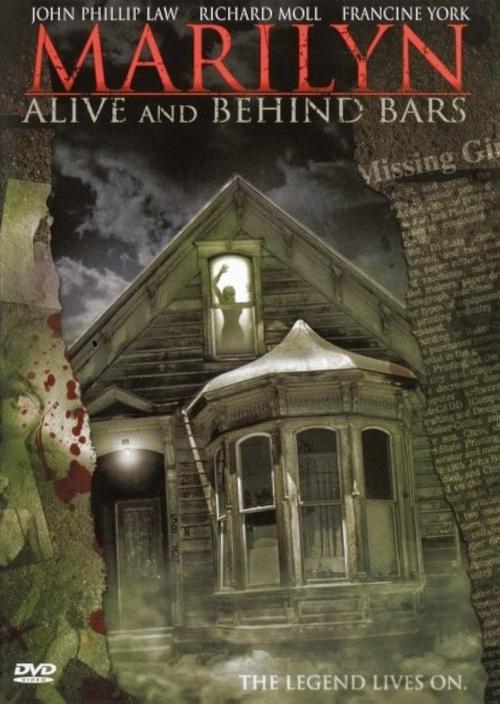
Representation Score
Fair
1992
PG-13Director
John Carr
Runtime
90 minutes
Average Rating
No ratings yetNew Showbiz Analysis
This thriller delves into the corruption within private institutions and the exploitation of individuals, particularly women. It uses a dark, psychological lens to deconstruct institutional power and the 'idealized woman' stereotype. While it explores themes of systemic harm, it lacks specific data on racial or LGBTQ+ identities. The film's depth is somewhat limited by its reliance on high-stakes genre clichés, which may prioritize plot momentum over nuanced, layered representation.
Category Breakdown
The film hints at non-traditional social structures and varied sexual dynamics through the mention of harems, but it does not explicitly confirm any queer identities or give characters significant roles in driving the story.
The story revolves around a woman who claims to be Marilyn Monroe, potentially reclaiming a significant role in challenging a predatory system. It highlights the systemic harm experienced by women within patriarchal structures.
There is insufficient information regarding the racial or ethnic composition of the cast or setting to provide a definitive assessment.
The film critiques Western institutions by showing a private sanitarium involved in human trafficking, challenging the assumed benevolence of established social and medical systems.
The protagonist's struggles with mental health and substance abuse introduce themes of suicide and addiction, but these elements might be used primarily as plot devices rather than as nuanced character development.
Present on Screen
Limited or Absent
Official Synopsis
A suicidal drunk-driver is forced to serve as bait to lure young girls into a private sanitarium that sells them to harems. One day, he runs into a woman who claims to be Marilyn Monroe.
2005
1974
1962
1994
1974

1978
1969
1981
No reviews yet. Be the first to share your thoughts on this movie!
Use the rating form above to leave a star rating and optional review.