Find another title
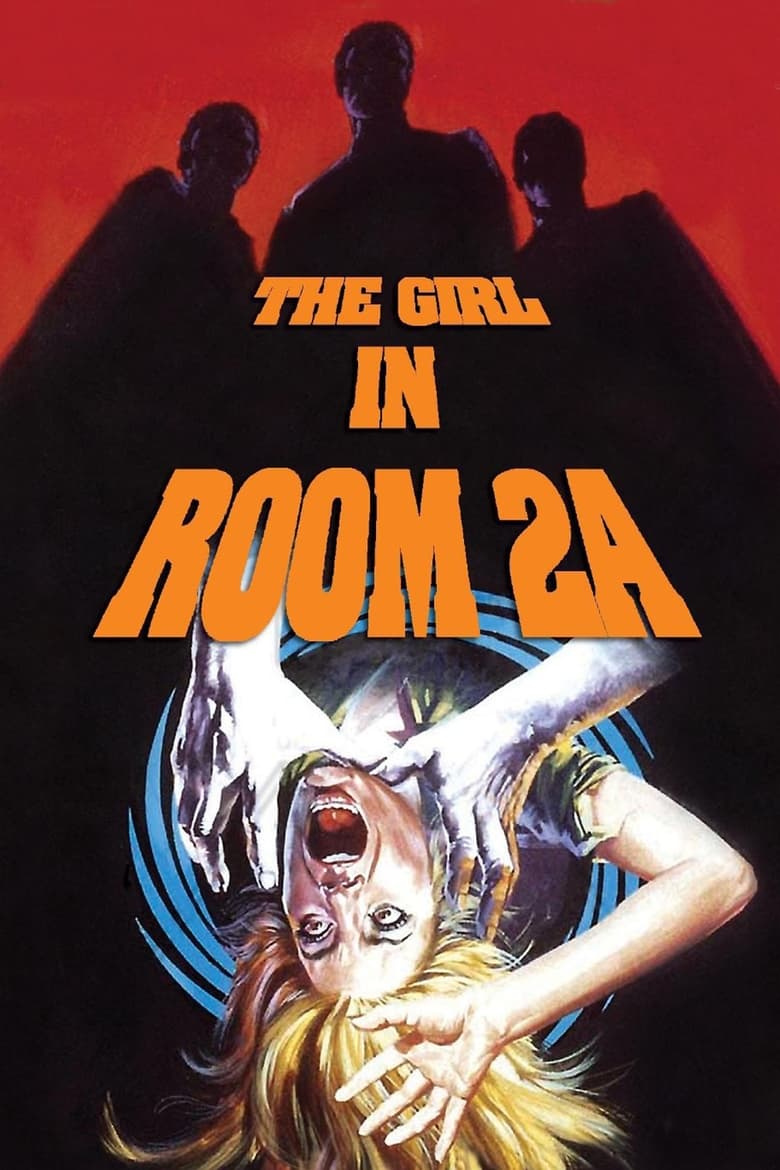
The Girl in Room 2A
1974
RDirector
William Rose
Runtime
90 minutes
Average Rating
No ratings yetSynopsis
A sadistic killer cult kidnaps and sacrifices beautiful women. A young girl, just paroled from prison, moves into a strange house and appears to be the cult's next victim.
Where to Watch
Diversity & Representation
Overall Score
Limited
Category Breakdown
LGBTQ+ Representation
The film follows a traditional horror framework centered on a sadistic cult. There is no evidence of queer agency or narratives that challenge heteronormativity.
Gender Representation
Female characters are primarily positioned as victims within a 'damsel in distress' trope. While the protagonist has a gritty backstory as a paroled prisoner, the conflict reinforces vulnerability.
Racial & Ethnic Diversity
The narrative lacks documented evidence of diverse casting or intersectional depth. Given the 1974 era and genre, the film likely employs a homogeneous approach to its cast.
Religious & Cultural Diversity
The story explores cultism and systemic violence through standard genre conventions. It lacks a clear critique of Western institutions or specific cultural subversions.
Disability Representation
The film provides no visible or invisible representation of disability. No characters are identified as neurodivergent or having physical impairments.
Strengths
- The protagonist offers a non-traditional backstory as a paroled prisoner, providing a slight departure from standard victim archetypes.
Areas for Improvement
- The film relies heavily on the 'damsel in distress' trope, positioning women as passive targets rather than active agents.
- There is a notable absence of LGBTQ+ representation or non-cisnormative identities.
- The narrative lacks racial and ethnic diversity, adhering to the homogeneous casting common in 1970s genre cinema.
AI Analysis
The film operates strictly within the established tropes of 1970s horror and crime thrillers. It prioritizes suspense and the victimization of women over any meaningful subversion of social hierarchies. Narrative elements focus on a cult targeting 'beautiful women,' which reinforces traditional gendered power dynamics. The lack of diverse casting or queer identities keeps the story within a very narrow, conventional framework. Ultimately, the work functions as a standard genre piece of its era, lacking the intentionality required to disrupt racial or gendered norms.
Rate this Movie
Reviews
No reviews yet. Be the first to share your thoughts on this movie!
Use the rating form above to leave a star rating and optional review.