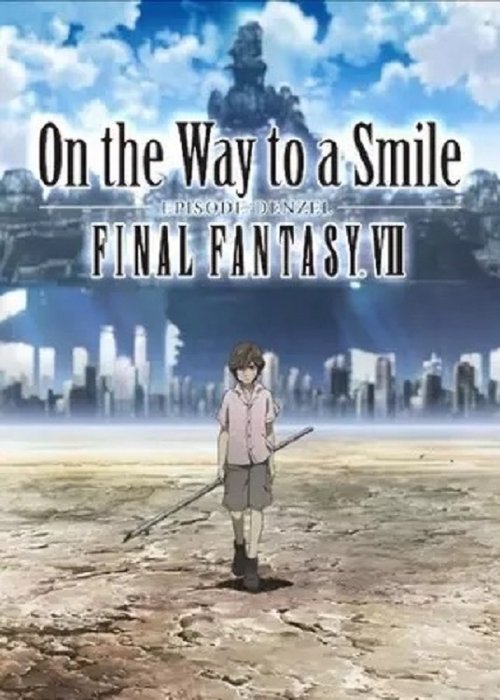
Final Fantasy VII: On the Way to a Smile - Episode Denzel
2009
No user ratings available yet
Representation score: 4.9 out of 10
Representation Score
Good
2005
Director
Morio Asaka, Tetsuya Nomura
Runtime
25 minutes
Average Rating
No ratings yetNew Showbiz Analysis
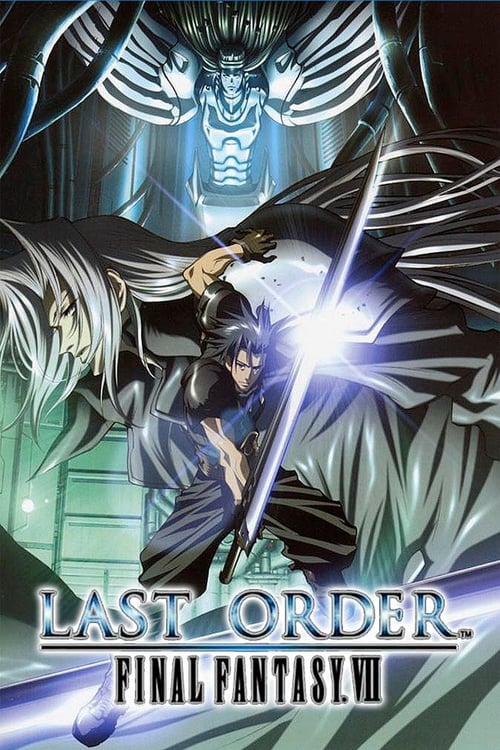
Final Fantasy VII: Last Order excels at using speculative fiction to critique systemic exploitation and corporate dominance. By framing the struggle through the lens of indigenous cultures and environmental stewardship, it achieves significant thematic depth. The film's strength lies in its ability to deconstruct power dynamics, particularly through its portrayal of the Cetra and the predatory nature of Shinra. It moves beyond simple heroism to explore complex issues of identity and heritage. However, the film remains limited by a lack of LGBTQ+ representation and relies on certain traditional fantasy gender archetypes. While it handles psychological instability with nuance, these areas prevent a higher diversity score.
Category Breakdown
The film does not explicitly depict LGBTQ+ identities. Romantic relationships stay within conventions that assume everyone is straight, emphasizing the spiritual bonds between the main characters.
Female characters such as Aerith Gainsborough play key roles, providing essential authority that goes beyond traditional combat roles. However, some fantasy archetypes still exist.
The Cetra represent indigenous populations facing systemic erasure. The story highlights the exploitation of ancestral legacies by a dominant corporate force.
The narrative criticizes unchecked capitalism through the predatory Shinra Electric Power Company. It emphasizes a biological, secular spirituality over organized religion.
Cloud Strife’s psychological fragmentation and memory loss are central to his character development. The film addresses his cognitive instability with nuance.
Present on Screen
Limited or Absent
Official Synopsis
After the destruction of Nibelheim at the hands of Sephiroth, Zack and Cloud are on the run from Shinra Inc. As they make their way back to Midgar, they recall the horrible events that happened at Nibelheim, as well as fight for survival against Shinra.
2009
2011
2005

2006
2006
2001
2009
2013
No reviews yet. Be the first to share your thoughts on this movie!
Use the rating form above to leave a star rating and optional review.