Sword Art Online the Movie: Ordinal Scale
2017
No user ratings available yet
Representation score: 5.9 out of 10
Representation Score
Good
2005
PG-13Director
Tetsuya Nomura
Runtime
101 minutes
Average Rating
No ratings yetNew Showbiz Analysis
The film excels at challenging traditional power structures and gender hierarchies. Tifa Lockhart provides a strong counter-narrative to conventional female clichés, acting as a capable and essential protector. The story also offers a sophisticated critique of corporate greed and institutionalized religion through its ecological themes. However, the film remains limited in its explicit representation of identity. There is a notable absence of LGBTQ+ characters and a lack of clear, diverse racial casting in prominent roles. The fantasy setting tends to obscure specific cultural or ethnic markers. Ultimately, the work finds its strength in critiquing systemic issues rather than individual identity diversity. It focuses on the struggles of the underrepresented and the deconstruction of hero archetypes within a post-conflict landscape.
Category Breakdown
The film does not include explicit LGBTQ+ characters or narratives. Relationships focus on platonic and surrogate familial bonds without visible non-cisgender identities.
Tifa Lockhart serves as a primary protagonist who play a significant role in driving the story and martial expertise. The film presents women as central, stabilizing figures in the story without relying on submissive femininity.
A stylized fantasy aesthetic obscures traditional ethnic markers. While the setting avoids a Western-centric social norm, the lack of explicit, diverse character casting limits representation.
The narrative critiques institutional power and corporate exploitation. It replaces organized religion with a decentralized, ecological spirituality centered on the Lifestream and moral relativism.
The Geostigma illness drives the plot, portraying a widespread, debilitating condition. Characters navigate the social and physical consequences of their struggle with ability to act.
Present on Screen
Limited or Absent
Official Synopsis
Two years have passed since the final battle with Sephiroth. Though Midgar, city of mako, city of prosperity, has been reduced to ruins, its people slowly but steadily walk the road to reconstruction. However, a mysterious illness called Geostigma torments them. With no cure in sight, it brings death to the afflicted, one after another, robbing the people of their fledgling hope.
2017
2006
2005
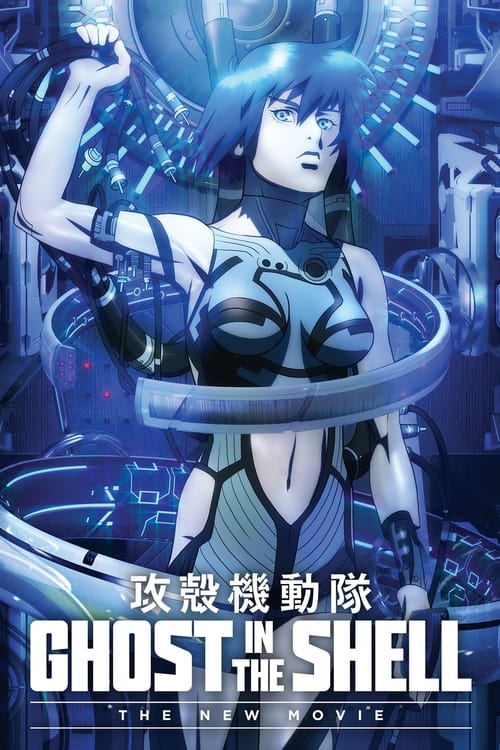
2015
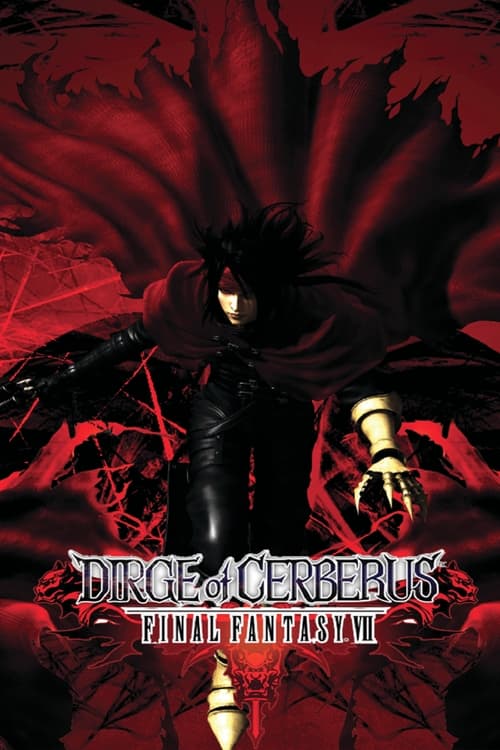
2006
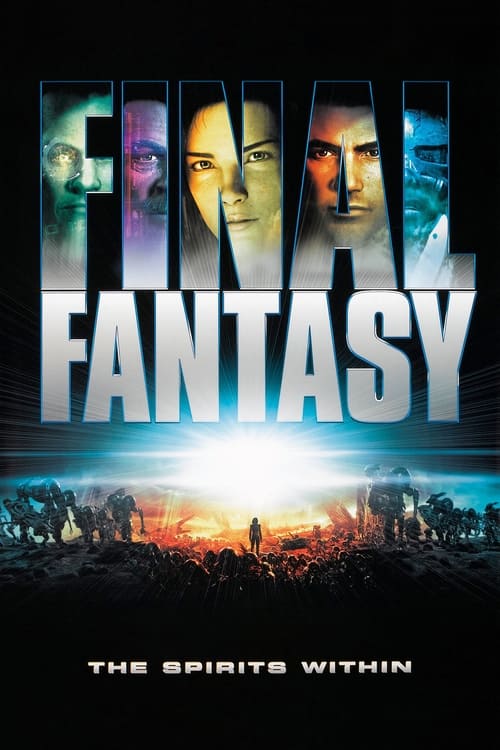
2001
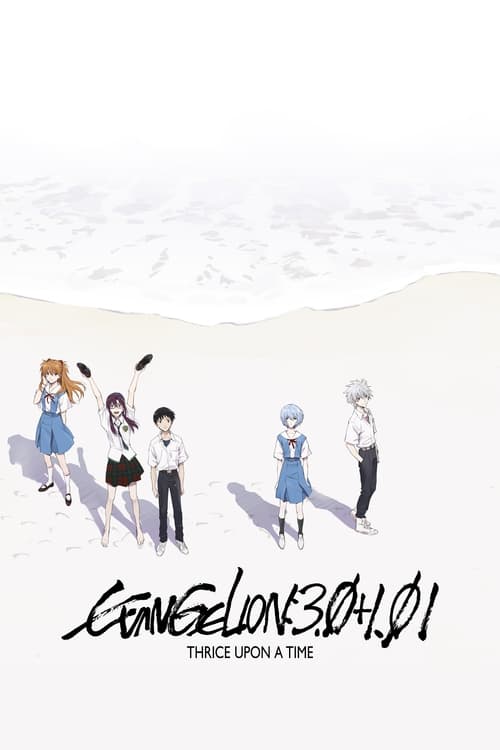
2021
1997
No reviews yet. Be the first to share your thoughts on this movie!
Use the rating form above to leave a star rating and optional review.