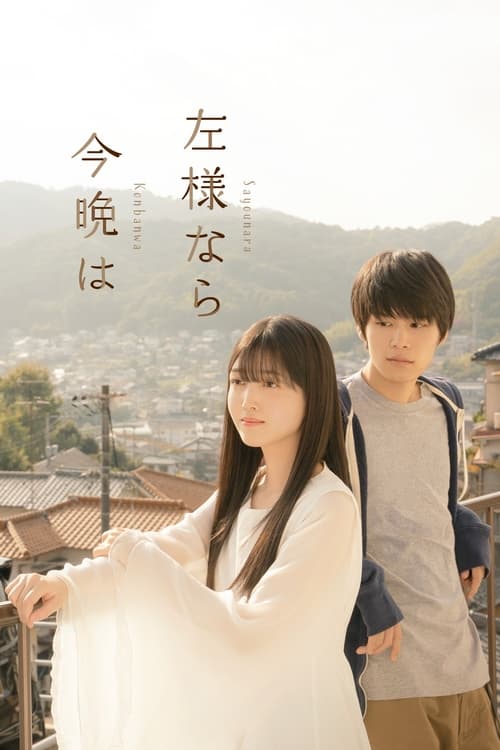
A Girl in My Room
2022
No user ratings available yet
Representation score: 4.3 out of 10
Representation Score
Good
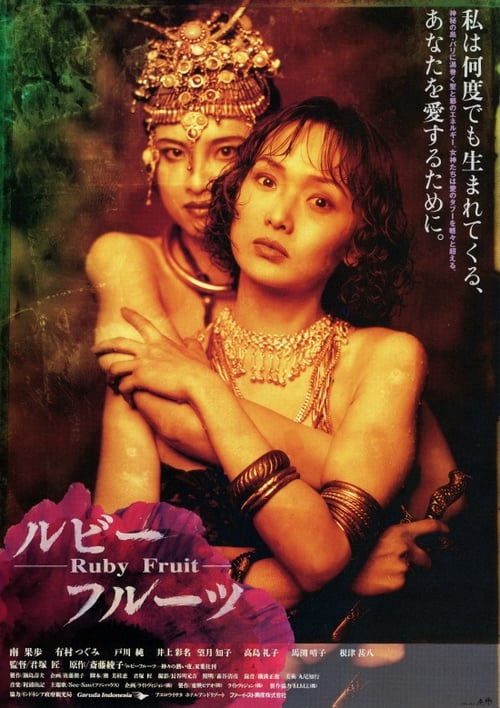
1995
Director
Takumi Kimizuka
Runtime
95 minutes
Average Rating
No ratings yetNew Showbiz Analysis
Ruby Fruit is a sophisticated exploration of identity that replaces conventional clichés of widowhood with a queer-centric journey of self-discovery. The film centers on the transformative love between Maiko and Shireni, moving beyond companionship into a deep metaphysical journey. The film challenges traditional gender hierarchies and social expectations by highlighting Shireni’s autonomy and sensory liberation. It rejects domesticity in favor of spiritual independence. While the film excels in its queer and gendered themes, its racial diversity is defined by a transnational setting. The movement between Japanese and Balinese cultural spheres offers a refreshing departure from Anglo-centric narratives.
Category Breakdown
The film focuses on a profound romantic awakening between Maiko and Shireni, which drives the protagonist's journey and challenges traditional expectations of mourning.
Female characters take charge of their own journeys, with Shireni prioritizing her autonomy and pleasure as an immortal spirit medium, challenging traditional feminine roles.
The story is set in both Japan and Bali, offering a transnational perspective that prioritizes Eastern spiritualities and viewpoints over Western-centric narratives.
The narrative centers on a non-traditional spirituality that emphasizes individual sensory awakening and pleasure over conventional social or religious norms.
The film contains no visible or mentioned depictions of physical or neurodivergent disabilities.
Present on Screen
Limited or Absent
Official Synopsis
Maiko is a recently widowed young woman travelling to Bali to distract herself from the loss of her husband, Esau. At the airport she meets Kioko, who gives her a dagger and a photo of a woman. She tells Maiko she must find the woman, Shireni, in Bali and convince her to return to Japan, or she must use the dagger to kill her. Soon after her arrival in Bali she meets Shireni and is invited to stay with her. Quickly Maiko finds herself trapped on Shirini's island paradise, by her own confusion and her developing love for Shireni. She discovers Shireni to be immortal, a former spirit medium whose only goal is to find pleasure, body and soul.
2022

1950

1999

2012

2021

1990
2013
2005
No reviews yet. Be the first to share your thoughts on this movie!
Use the rating form above to leave a star rating and optional review.