My Happy Marriage
2023
No user ratings available yet
Representation score: 7.1 out of 10
Representation Score
Limited
2013
Director
Takahiro Miki
Runtime
128 minutes
Average Rating
No ratings yetNew Showbiz Analysis
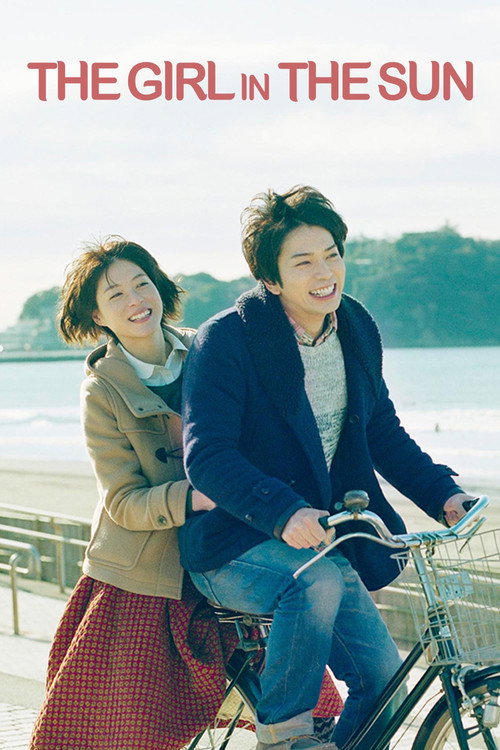
The Girl in the Sun is a traditional romantic drama that emphasizes personal emotional journeys over broader social critiques. While it offers character growth for its female lead, it adheres to conventional narrative and cultural boundaries. The production follows established melodrama conventions without intentionally disrupting social or identity-based hierarchies, focusing instead on a localized, homogeneous experience. Ultimately, the film serves as a character study within a standard framework, offering limited representation of diverse identities or perspectives that reflect multiple aspects of identity.
Category Breakdown
The film centers on a traditional romantic relationship between two heterosexual characters. There is no depiction of non-straight or non-cisgender identities or stories.
Mao transforms from a bullied girl to an empowered woman, showcasing a nuanced exploration of female empowerment. However, the plot remains rooted in traditional romantic storytelling.
With a predominantly Japanese cast, the film operates within a culturally homogeneous setting. It does not feature multicultural casting.
The narrative delves into personal secrets and social reintegration but does not critique broader power structures. It focuses on individual character development rather than social commentary.
Mao's past as a labeled 'stupid' child touches on social exclusion, but these elements serve as part of her backstory. The film does not explore neurodivergent or physical disabilities specifically.
Present on Screen
Limited or Absent
Official Synopsis
A new salesman named Kosuke Okuda happens to meet Mao Watarai, a friend from his middle school days. Back then, Mao was called stupid and bullied, but now she is an attractive woman. Kosuke and Mao fall in love and decide to marry, but Mao has a secret.
2023

2009
2018

2016
2015
2014
2022

2022
No reviews yet. Be the first to share your thoughts on this movie!
Use the rating form above to leave a star rating and optional review.