Shock
1946
No user ratings available yet
Representation score: 2.5 out of 10
Representation Score
Limited
1947
ApprovedDirector
Anthony Kimmins
Runtime
108 minutes
Average Rating
No ratings yetNew Showbiz Analysis
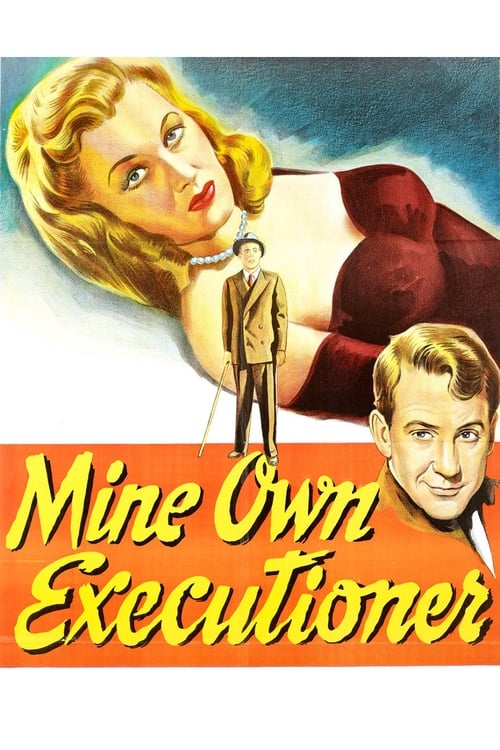
Mine Own Executioner is a traditional character study deeply rooted in the social hierarchies of 1947. The film reflects the era’s social structures, prioritizing the moral dilemmas faced by British officers over a broader range of perspectives. The narrative structure reinforces existing power dynamics, particularly through its emphasis on military duty and colonial administration. While the setting introduces ethnic diversity, the storytelling remains confined to a conventional colonial framework. Ultimately, the film lacks depth in exploring multiple layers of identity. It examines individual morality within established Western norms without challenging the systemic nature of the institutions it portrays.
Category Breakdown
The film does not include any LGBTQ+ characters or explore non-straight identities. It follows traditional mid-century standards without hinting at any queer identities.
The story centers around a male-dominated military structure. Although a woman starts the plot, her role remains reactive and less influential compared to the male-driven narrative.
Set during the British Raj, the film features Indian characters within a colonial context. However, the narrative focuses mainly on the British officers, limiting the ability to act of Indian characters.
The story revolves around Western institutions such as the British military and colonial administration. It emphasizes the stability of these institutions without questioning them.
Psychological distress serves as a plot catalyst for the thriller. Mental health issues are used as a narrative device rather than exploring neurodivergence.
Present on Screen
Limited or Absent
Official Synopsis
Fearing her husband could become a killer, a woman seeks a psychiatrist's help.
1946
1944
1947
1952
1946
1950
1969
1948
No reviews yet. Be the first to share your thoughts on this movie!
Use the rating form above to leave a star rating and optional review.