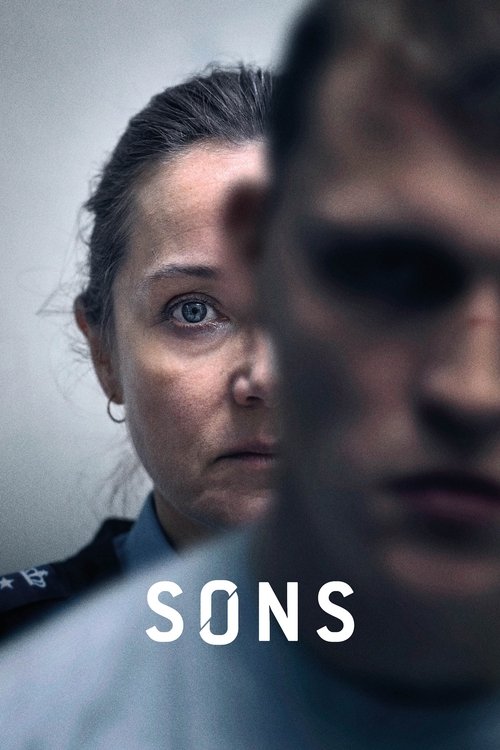
Sons
2024
No user ratings available yet
Representation score: 5.9 out of 10

Representation Score
Good
2013
Director
Søren Kragh-Jacobsen
Runtime
93 minutes
Average Rating
No ratings yetNew Showbiz Analysis
The Hour of the Lynx is a character-driven psychological drama that finds its strength in intellectual subversion rather than demographic breadth. By centering the plot on a priest and a scientist, the film elevates female leadership and challenges the authority of religious and scientific institutions. While the film excels in exploring the complexities of mental health and the human psyche, it lacks significant representation regarding race and sexual orientation. The narrative appears focused on a specific European institutional setting, which limits its multicultural scope. Ultimately, the film succeeds as a nuanced study of systemic control and individual ability to act, prioritizing thematic depth over overt social diversity.
Category Breakdown
The film does not include explicit LGBTQ+ characters or non-straight identities. The narrative focuses on the professional and ideological conflict between two women.
The story challenges traditional hierarchies by emphasizing female leadership. Helen and Lisbeth hold positions of intellectual and spiritual authority, making critical decisions without becoming passive figures.
The setting appears to be a specific European institutional framework. There is no indication of a diverse or non-Anglo-Saxon majority cast within the provided context.
The film critiques established institutions by contrasting religious dogma with empirical science. It examines the limitations of Western traditions through the tension between a priest and a scientist.
The narrative explores neurodivergence and mental health issues extensively. The central patient provides a platform to examine severe mental illness and the systemic response to psychological crises.
Present on Screen
Limited or Absent
Official Synopsis
Helen, a priest, is approached by scientist Lisbeth with a desperate plea for help. A young man, who has been sent to a high security psychiatric ward after having killed an old couple, has attempted suicide while rambling about God. Having been part of an experiment attempting to humanize inmates by assigning them pets, the young man has suddenly gone ballistic. Fearing that he will attempt suicide again priest and scientist must now confront their mutual animosities while trying to grasp the truth. In a race against time the two women begin a shocking journey deeper and deeper into the sick mind of a young man's soul.
2024

1999

2017

2017

1947

2016

2006

2010
No reviews yet. Be the first to share your thoughts on this movie!
Use the rating form above to leave a star rating and optional review.