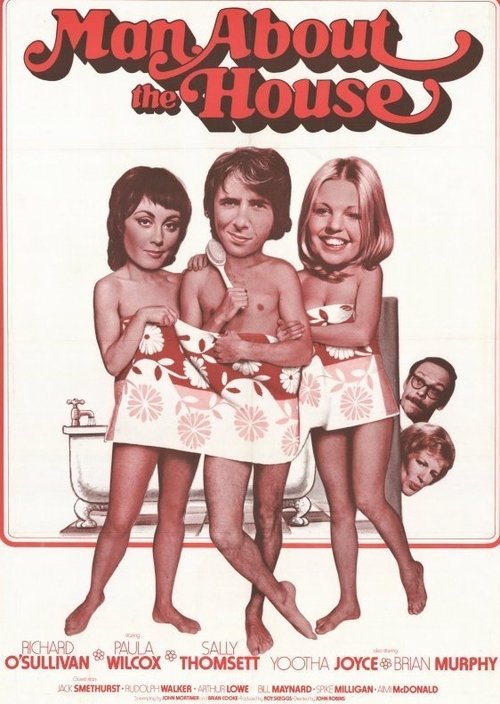
Man About the House
1974
No user ratings available yet
Diversity score: 3.0 out of 10
1972
Director
John Robins
Runtime
83 minutes
Average Rating
No ratings yetSynopsis
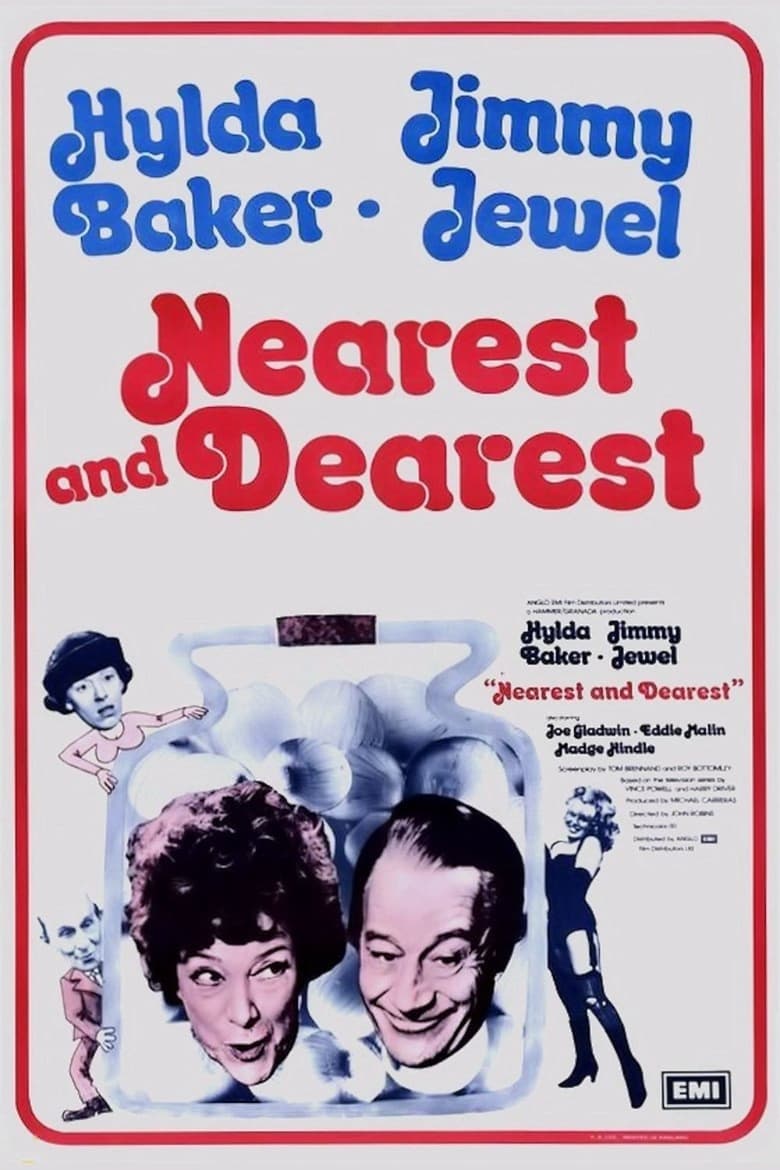
Jimmy Jewel and Hylda Baker star in this big screen spin-off of one of ITV's most popular comedy series of all time. When the father of Eli and Nellie Pledge dies, they are left in charge of his pickle empire. The two siblings are completely different and Eli wants out of the business, but he can't leave until Nellie is married. So Eli sets about finding a husband for his old-fashioned sister.
Overall Score
Limited
Category Breakdown
LGBTQ+ Representation
The story centers on heteronormative social structures and the pursuit of marriage. There is no evidence of non-cisnormative identities or critiques of traditional relationship models.
Gender Representation
Nellie holds significant responsibility in the family business, yet her agency is constrained by patriarchal requirements. The plot is driven by a male sibling managing his sister's domestic status.
Racial & Ethnic Diversity
The narrative focuses on a homogeneous Western family structure. Without evidence of diverse casting, the film presents a likely Anglo-centric perspective.
Religious & Cultural Diversity
The film reinforces traditional Western institutions like the nuclear family and marriage. It adheres to conventional social mores regarding domesticity and capitalism.
Disability Representation
There is no discernible mention of characters with visible or invisible disabilities within the narrative.
Strengths
Areas for Improvement
AI Analysis
Nearest and Dearest is a traditional period comedy that operates strictly within established social hierarchies. The plot prioritizes conventional family dynamics and reinforces mid-century gender and social roles rather than challenging them. The narrative architecture lacks intersectional complexity. By focusing on the preservation of a family business and the necessity of marriage for familial transitions, the film maintains a standard commercial framework of its era. Ultimately, the film functions as a reinforcement of Western institutional norms, offering little subversion of the status quo.
1974
1974
1973
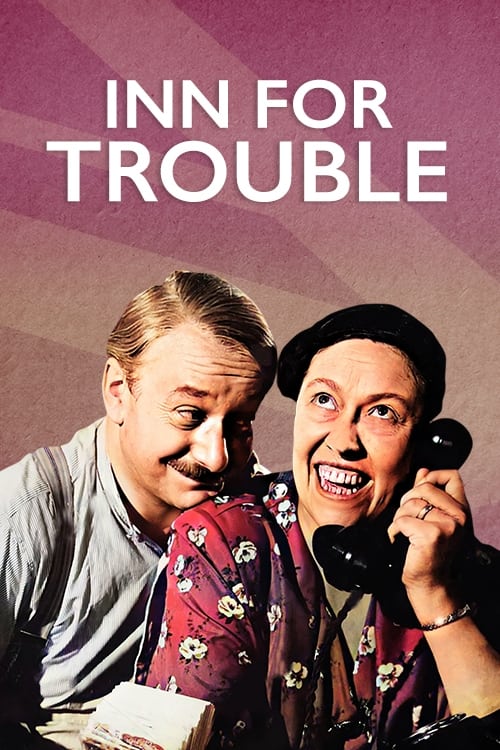
1960
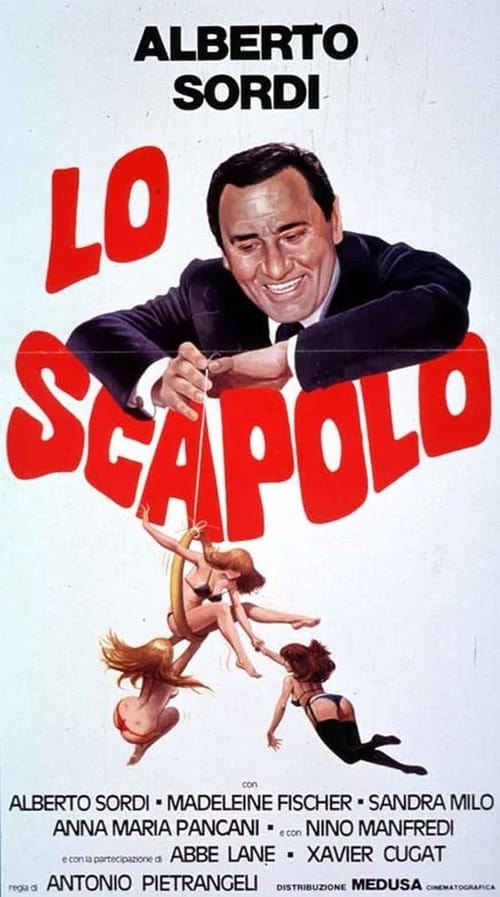
1955

1976
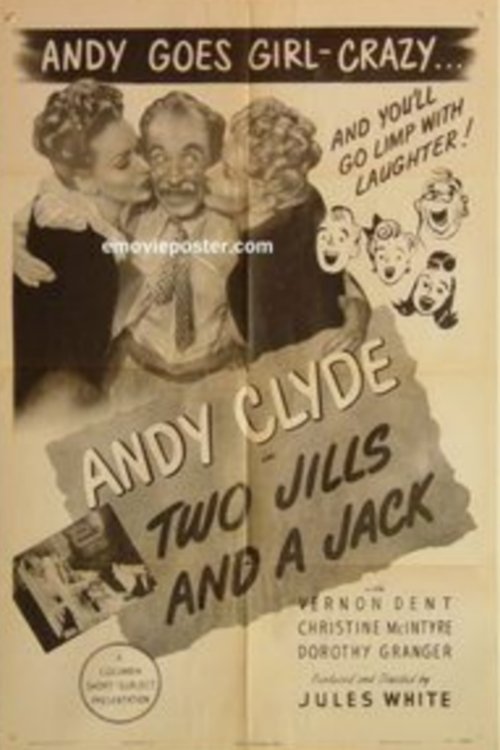
1947

1955
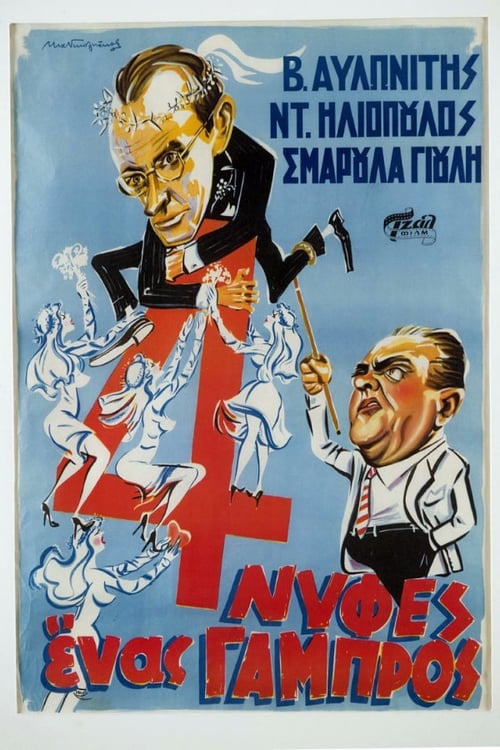
1958

1957
1968

1974
No reviews yet. Be the first to share your thoughts on this movie!
Use the rating form above to leave a star rating and optional review.