
Double Bunk
1961
No user ratings available yet
Diversity score: 2.0 out of 10

1960
Director
C.M. Pennington-Richards
Runtime
90 minutes
Average Rating
No ratings yetSynopsis
Peggy Mount and David Kossoff star as Ada and Alf Larkin in this big screen version of the hugely popular 1950s TV comedy. Alf Larkin has finally made good his dream to own a pub. The trouble is, it's got no customers. But leave it to the Larkins to find unorthodox ways to bring in the punters.
Overall Score
Limited
Category Breakdown
LGBTQ+ Representation
The film lacks any evidence of non-cisnormative identities. It focuses on a central heteronormative couple, adhering to the social standards of 1960s British comedy.
Gender Representation
The story centers on a domestic partnership between Ada and Alf Larkin. While Ada may exercise situational agency in the pub, the film likely follows traditional gender hierarchies.
Racial & Ethnic Diversity
The production reflects the demographic homogeneity of its era. There is no indication of a diverse ensemble or casting that disrupts standard mid-century norms.
Religious & Cultural Diversity
The narrative reinforces traditional Western values through the lens of small-business ownership. It focuses on social stability and conventional economic aspirations within a local community.
Disability Representation
There is no information available regarding the inclusion of characters with physical or neurodivergent disabilities.
Strengths
Areas for Improvement
AI Analysis
Inn for Trouble is a product of its time, functioning as a traditional mid-century British comedy. The narrative architecture is built around established domestic structures and the pursuit of conventional social stability through small-business ownership. The film reflects the demographic homogeneity and social constraints of 1960s media. It prioritizes a heteronormative framework and traditional economic aspirations, offering little in the way of social critique or diverse representation. Ultimately, the work serves to reinforce rather than challenge the established hierarchies of the mid-20th century, focusing on the familiar comedic tropes of the era.
1961

1970
1951
1972
1966
1949
1961
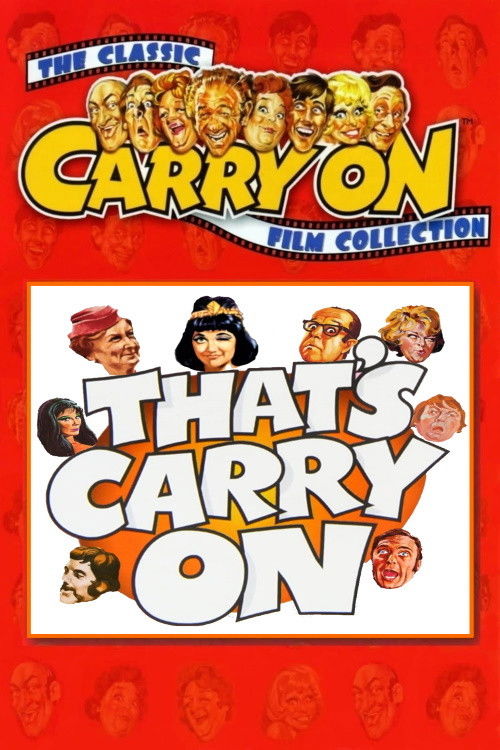
1977
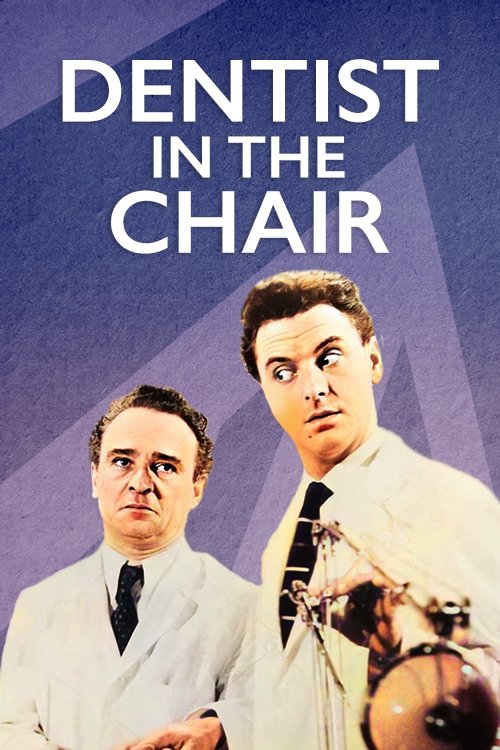
1960
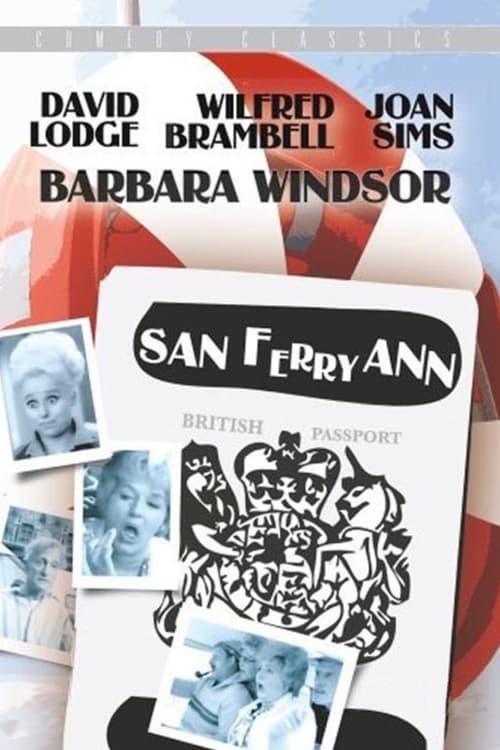
1965
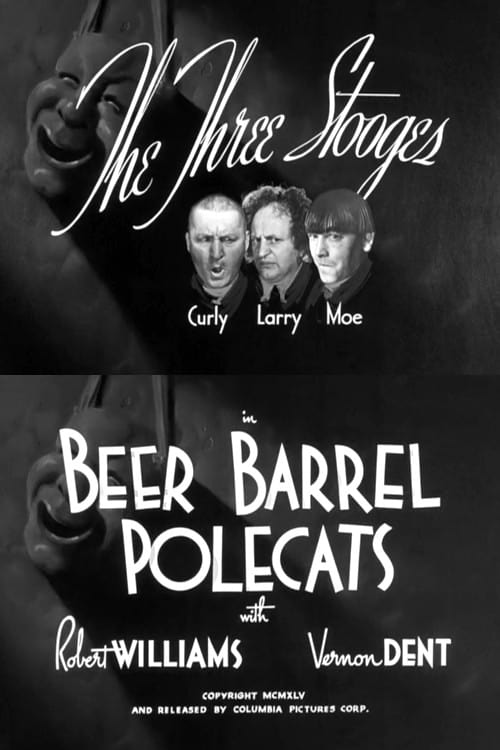
1946
1973
No reviews yet. Be the first to share your thoughts on this movie!
Use the rating form above to leave a star rating and optional review.