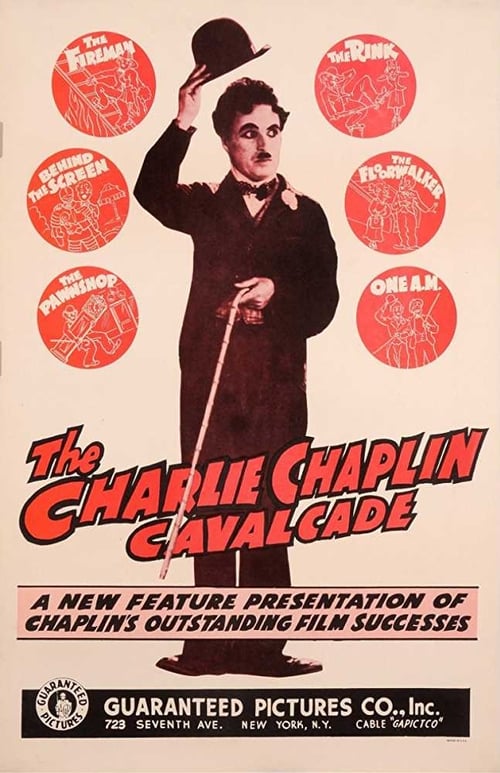
The Chaplin Cavalcade
1941
No user ratings available yet
Representation score: 4.0 out of 10
Representation Score
Minimal
1953
ApprovedRuntime
68 minutes
Average Rating
No ratings yetNew Showbiz Analysis
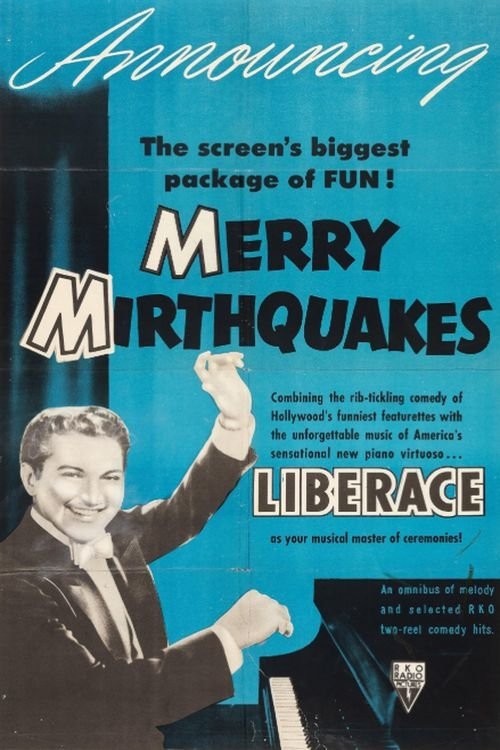
Merry Mirthquakes functions as a mid-century musical variety showcase rather than a cohesive narrative. Because it is a compilation of disparate comedic and musical vignettes, it lacks the structural depth required for complex character development or systemic critique. The film adheres strictly to the social and demographic norms of the early 1950s. It prioritizes the prestige of the 'maestro' and traditional variety formats over storytelling that reflects multiple aspects of identity. Ultimately, the work serves as a time capsule of celebrity culture, emphasizing classical virtuosity and established Western entertainment norms.
Category Breakdown
The film does not explicitly depict LGBTQ+ identities. While Liberace’s flamboyant style is historically significant, the compilation format does not provide a narrative space to explore identity or challenge assumptions about straight relationships.
Representation follows 1950s variety show conventions. While Suzi Crandall appears, the focus remains on male performers like Liberace and Leon Errol, reinforcing traditional gender roles.
The cast appears homogeneous, reflecting the demographic norms of 1953. There is no evidence of non-white casting or the use of non-human species as racial metaphors.
The film celebrates Western entertainment values through classical music and lighthearted comedy. It reinforces established cultural norms rather than challenging the status quo.
There is no evidence regarding the portrayal of physical or neurodivergent disabilities. No specific character arcs or casting details related to disability are present.
Present on Screen
Limited or Absent
Official Synopsis
The 1953 feature is a Compilation film, with pianist Liberace as the master of ceremonies in which his music is woven in-and-around the presentation of three 1951 shorts, consequently it is comprised of about 45-minutes of footage from the full-showing of the shorts (credits and all as shown on their original release, preceding each) and between those, the maestro is seen and heard playing his own arrangement of 'Chopin's Waltz in C Sharp Minor," and "Polanaise"; Liszt's "Liebestraum"; "The Yaketa-Yak Polka", based on the Tritsch Tratsch polka of Johann Strauss' and the folk song "Orche Tchorina." Scattered between the music is "Groan and Grunts" with Gil Lamb; "Lord Epping Returns" with Leon Errol, and 1950s "Waiting For Baby" with Scott Elliott(billed as Robert Neil) and Suzi Crandall (billed as Susan Crandall.)
1941
1990
1946
1936
1939
1946

1942
1950
No reviews yet. Be the first to share your thoughts on this movie!
Use the rating form above to leave a star rating and optional review.