
To an Unknown God
1977
No user ratings available yet
Representation score: 5.3 out of 10
Representation Score
Good
2005
Director
Javier Torre
Runtime
106 minutes
Average Rating
No ratings yetNew Showbiz Analysis
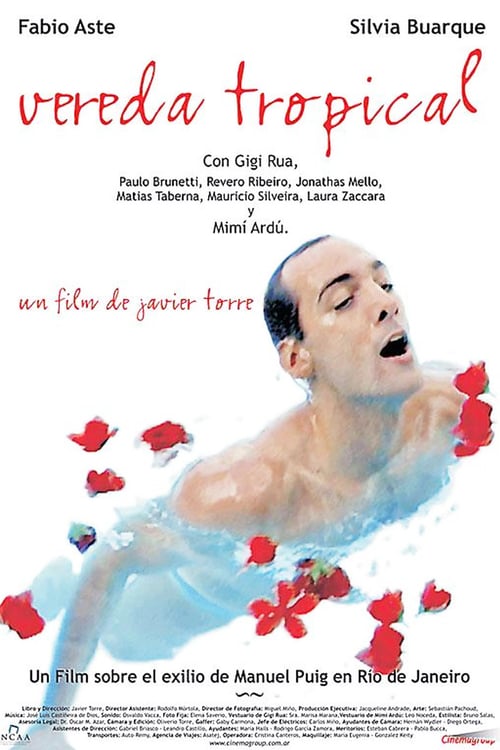
Tropic Pathway is a character-driven drama that finds its strength in its unapologetic focus on LGBTQ+ experiences. By centering the life of Manuel Puig, the film transforms a personal biography into a critique of societal structures and state-sponsored persecution. The film's transnational scope provides a rich cultural texture, moving through various Latin American landscapes to highlight the complexities of exile. This setting allows for a sophisticated exploration of how identity intersects with political upheaval. However, the narrative's heavy focus on the male protagonist leaves questions regarding gender diversity. While the emotional depth of the lead is evident, the role of female characters and the subversion of gender hierarchies remain undefined.
Category Breakdown
The film centers on the life of Manuel Puig, making his identity the core of the narrative. It explores the heavy consequences of persecution and the pursuit of romance amidst systemic hostility.
The story focuses primarily on the personal and political journey of a male protagonist. It remains unclear how the film handles female characters or traditional gender hierarchies.
A transnational setting spanning Argentina, Brazil, and Mexico creates a diverse cultural landscape. The narrative prioritizes South American social realities over Anglo-centric storytelling.
The film examines political persecution and the displacement caused by state-driven intolerance. It frames the search for sanctuary as a critique of centralized authority and nationalist frameworks.
There is no mention of characters navigating physical, neurodivergent, or mental health disabilities within the narrative.
Present on Screen
Limited or Absent
Official Synopsis
Follow the adventures of Kiss of the Spider Woman scribe Manuel Puig portrayed by Fabio Aste, who left Argentina after being persecuted for his homosexuality and settled in exile in Rio de Janiero in this intimate drama from filmmaker Javier Torre. Though life in Rio was full of romance and adventure for Manuel, the controversy surrounding him grew ever more intense, until the only way out was a trip back to his native Argentina. In the years that followed, Puig eventually made the painful decision to move to Mexico, where he spent his final days until death caught up with him at the age of fifty-eight.
1977
1959

2004
2001

2000

2005

1987

2000
No reviews yet. Be the first to share your thoughts on this movie!
Use the rating form above to leave a star rating and optional review.