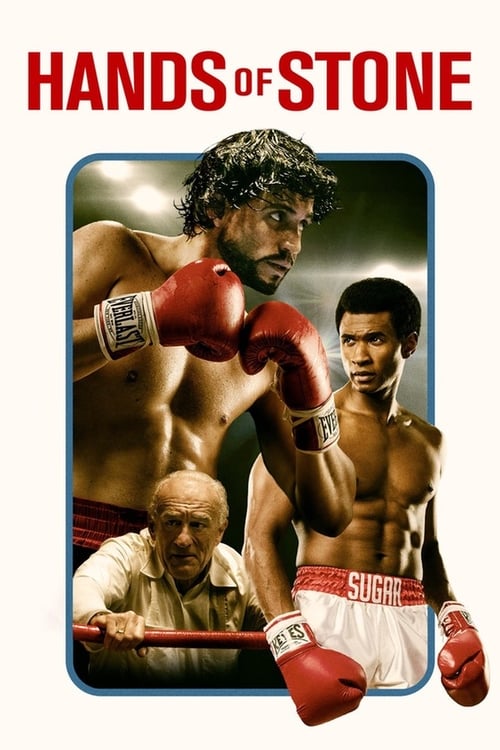
Hands of Stone
2016
No user ratings available yet
Representation score: 3.0 out of 10
Representation Score
Limited
2001
RDirector
Michael Mann
Runtime
157 minutes
Average Rating
No ratings yetNew Showbiz Analysis
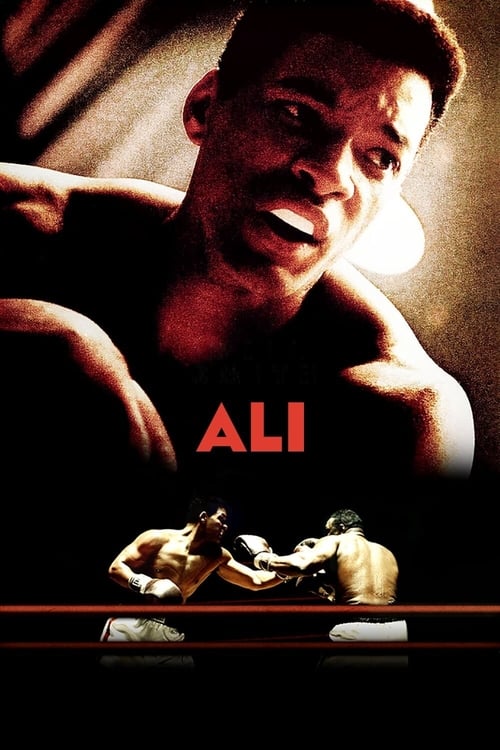
Michael Mann’s *Ali* is a compelling look at Black ability to act and identity politics. By focusing on a Black icon’s resistance to institutional norms, the film goes beyond typical sports biopics to critique mid-20th-century power structures. The film excels in its depiction of racial and cultural autonomy, especially through the protagonist's religious convictions and his fight for self-definition. It effectively challenges Western institutional authority. However, the film is constrained by its adherence to the social norms of the 1960s and 70s, particularly regarding straight-centered structures and a male-focused narrative. While female characters play important roles, the story primarily centers on the male protagonist's journey and the traditional roles of the time.
Category Breakdown
The film follows the social norms of the 1960s and 70s, where everyone was assumed to be straight or cisgender. There are no stories or characters that explore LGBTQ+ identities or experiences.
Belinda Ali offers a strong emotional support, but the story focuses mainly on the male protagonist. Traditional marriage structures are shown under intense political and societal pressures.
This film highlights the ability to act of a Black protagonist, showcasing self-definition and cultural pride. It presents a powerful story of a person reclaiming their identity and standing up to societal norms.
The film emphasizes the protagonist's religious beliefs and his struggle against institutional norms. It portrays his defiance of the military draft as a stand against systemic injustice.
The film does not focus on disabilities as a main theme. It realistically depicts the physical demands of boxing, but stays within the realm of a typical sports drama.
Present on Screen
Limited or Absent
Official Synopsis
In 1964, a brash, new pro boxer, fresh from his Olympic gold medal victory, explodes onto the scene: Cassius Clay. Bold and outspoken, he cuts an entirely new image for African Americans in sport with his proud public self-confidence and his unapologetic belief that he is the greatest boxer of all time. Yet at the top of his game, both Ali's personal and professional lives face the ultimate test.
2016

1956
2013

1972
2020
2017
1980

1979
No reviews yet. Be the first to share your thoughts on this movie!
Use the rating form above to leave a star rating and optional review.