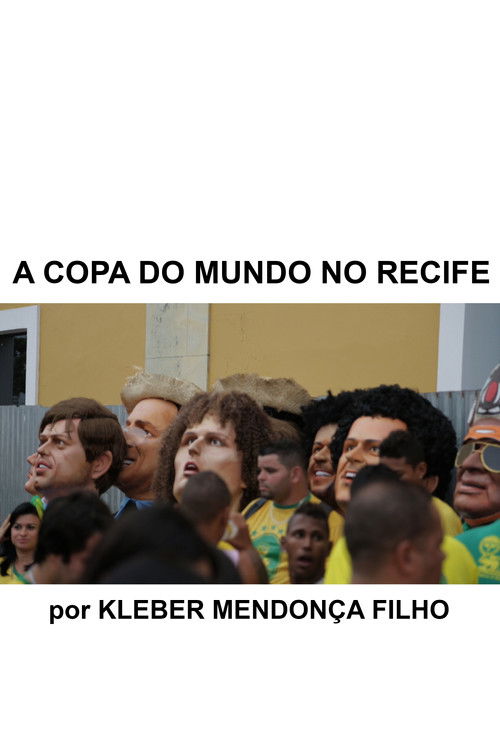
The World Cup in Recife
2014
No user ratings available yet
No diversity score available
2023
Director
Kleber Mendonça Filho
Runtime
93 minutes
Average Rating
No ratings yetSynopsis
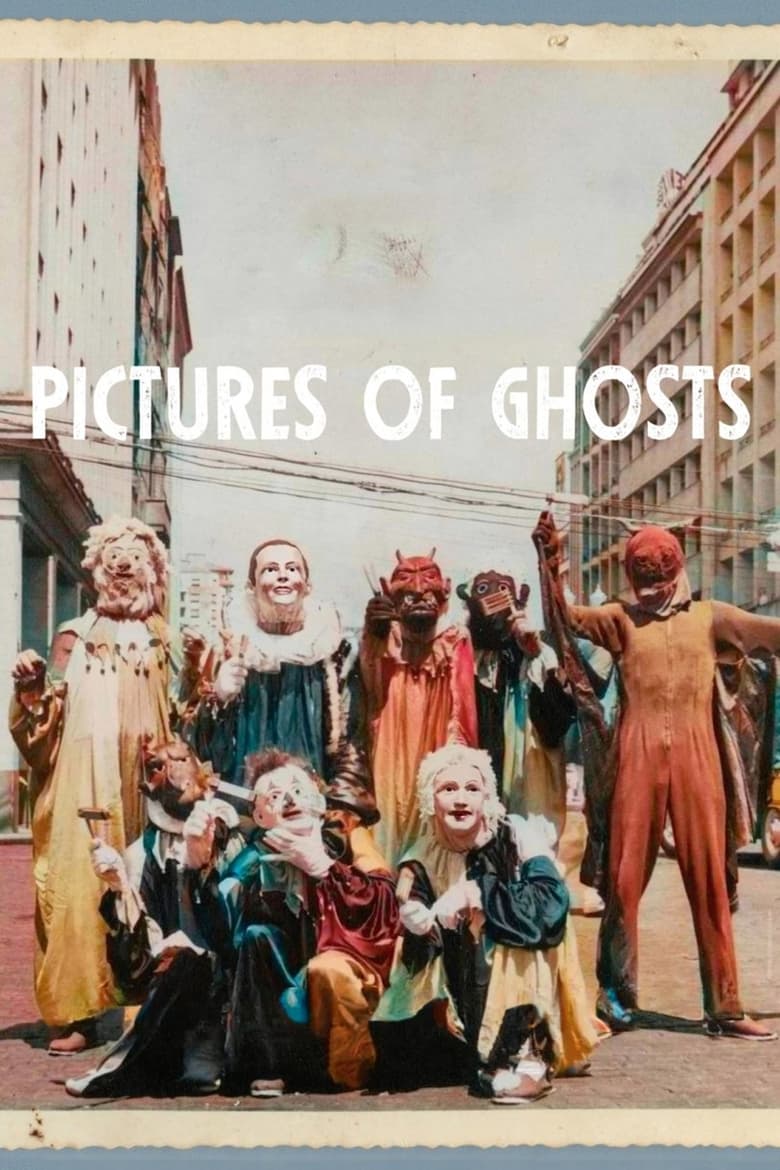
Downtown Recife’s classic movie palaces from the 20th century are mostly gone. That city area is now an archaeological site of sorts that reveals aspects of life in society which have been lost. And that’s just part of the story.
Overall Score
Good
Category Breakdown
LGBTQ+ Representation
The film maintains a neutral stance regarding queer identities. It does not center narratives of gender non-conformity or explicit same-sex intimacy within its urban study.
Gender Representation
Women appear as essential keepers of collective memory and cultural history rather than in submissive roles. However, the documentary focus on architecture limits character-driven agency.
Racial & Ethnic Diversity
The documentary excels by depicting the diverse socioeconomic and ethnic landscape of Recife. It avoids Western-centric homogenization, offering a nuanced view of a non-Anglo-Saxon urban center.
Religious & Cultural Diversity
The film provides a profound critique of capitalist urbanism and the erasure of communal identity. It prioritizes localized, non-hegemonic histories over modern infrastructure.
Disability Representation
There is no explicit focus on individual neurodivergence or physical disabilities. The film metaphorically explores the 'disability' of the city through its decay and lost functional spaces.
Strengths
Areas for Improvement
AI Analysis
Pictures of Ghosts is a sophisticated meditation on urban hauntology, using the disappearing movie palaces of Recife to critique the friction between memory and modern development. It succeeds by treating the city as an archaeological site that reveals lost social layers. The film's strength lies in its refusal to present a monolithic view of Brazil. By focusing on the systemic erasure caused by capitalist-driven urbanism, it offers a powerful post-colonial perspective on how development displaces local identity. While the documentary provides rich racial and cultural nuance, it lacks specific focus on individual identity-based representation. Categories like LGBTQ+ and disability remain neutral or unaddressed as the narrative prioritizes architectural and structural critique.
2014

1966

2002
2014
2014

2012

2000
2020

2019
2001

2017
2008
No reviews yet. Be the first to share your thoughts on this movie!
Use the rating form above to leave a star rating and optional review.